
On this page18
SEO remains one of the most crucial activities for building online visibility and driving traffic in the rapidly evolving digital landscape.
Of course, today, with ever-changing search engine algorithms and increased competition for top rankings, traditional SEO techniques are no longer a trick.
AI tools in SEO are in play, armed with innovative technologies designed to radically change how professionals approach SEO and search, delivering unprecedented efficiency and effectiveness.
The Rise of AI in SEO
Artificial intelligence has made a significant impact across various industries, including SEO. It has revolutionized keyword research, content creation, and on-page optimization.
For instance, AI-driven tools like Copy.ai and Grammarly significantly ease content generation and improve readability, whereas others, such as Clearscope, provide data-driven insights to improve relevance.
Deep competitive analysis, along with keyword insights, comes standard with AI-driven analytics tools like Ahrefs and SEMrush. This changes how businesses fundamentally approach search engine strategies.
AI tools leverage machine learning, natural language processing, and data analytics to inform strategy and drive results in Search Engine Optimization.
They can analyze vast amounts of data, identify patterns, and provide actionable insights to optimize a website’s search ranking performance.
These models are trained using document annotation tools that label text data in a way that the AI can understand.
Key AI Tools for SEO Optimization
- AI-Powered Keyword Research Tools
Keyword research is the very foundation of any successful SEO strategy. Artificial intelligence-powered keyword research tools have revolutionized the process, with notable examples including Ahrefs, SEMrush, and Moz. Such tools apply machine learning algorithms to vast amounts of search trend data, user behavior, and competitor data to provide comprehensive keyword insights.
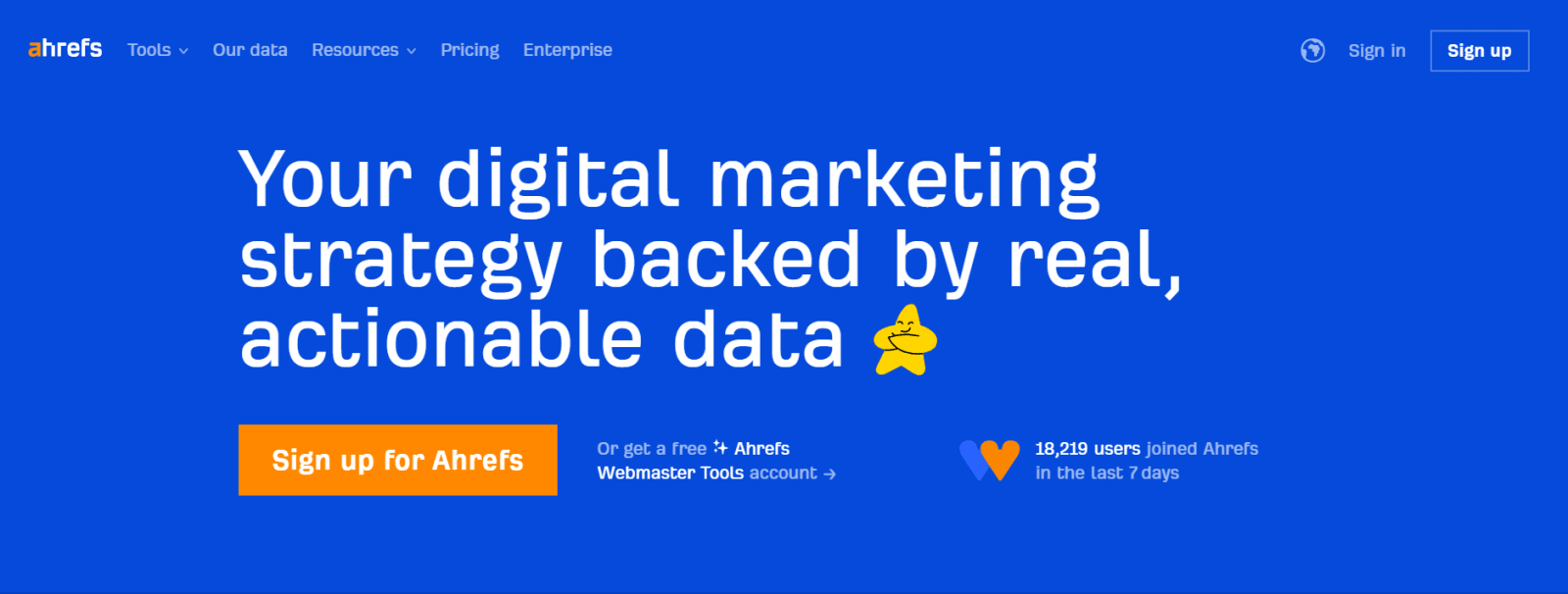
a. Ahrefs
Known for its robust backlink analysis and keyword research features, Ahrefs utilizes AI to provide keyword suggestions, track keyword performance, and examine what your competitors are doing. Its AI-driven algorithms can ensure high accuracy in predicting keyword difficulty and search volume.
Pricing:
- Lite Plan: $99 per month
- Standard Plan: $199 per month
- Advanced Plan: $399 per month
Pros:
- A truly enormous volume of keyword database search queries.
- It effectively and accurately assesses the level of difficulty and competition for a keyword.
- Advanced backlink analysis and site audit features.
Cons:
- Very costly and not ideal for small businesses or freelancers.
- Overwhelmed by the amount of data and available options.
- The interface may have a learning curve for new users.
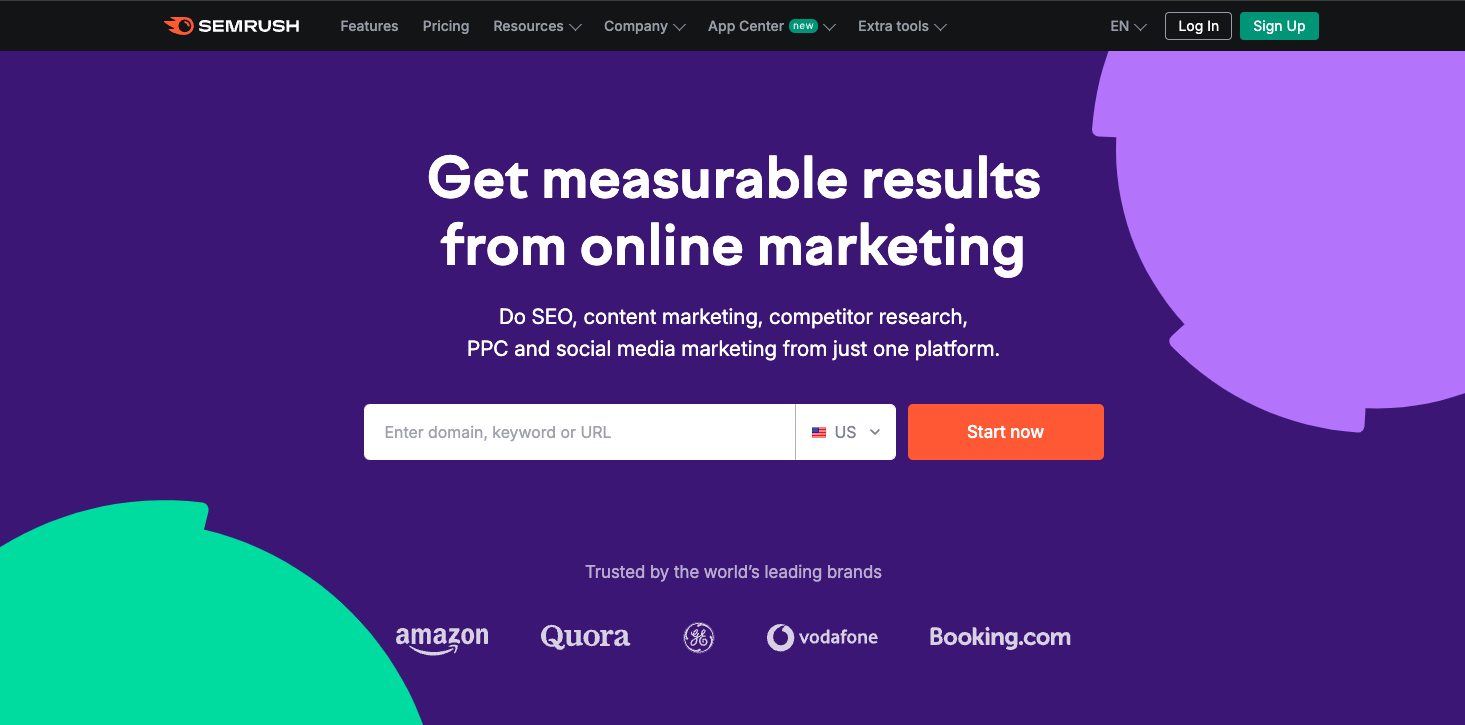
b. SEMrush
This solution is integrated with AI for keyword recommendations, search volume trends, and competitive analysis. SEMrush utilizes advanced AI algorithms to identify keyword gaps and opportunities, targeting the right high-value keywords for businesses.
Pricing:
- Pro Plan: $119.95 per month
- Guru Plan: $229.95 per month
- Business Plan: $449.95 per month
Pros:
- It is an all-in-one tool that includes keyword research, competitive analysis, and many other features.
- It is suitable for keyword ranking and competitor analysis.
- It also offers content marketing features along with PPC analysis.
Cons:
- It may be a bit too pricey for some, especially at the larger business level or for more advanced features.
- Very complex-looking dashboard; cluttered.
- Some find their keyword suggestions less spot-on than others’.
c. Moz
Moz’s AI-powered tools, including Moz Keyword Explorer, provide in-depth keyword analysis and suggestions. The tool’s AI capabilities help users discover related keywords, assess their potential, and track their rankings.

Pricing:
- Standard Plan: $99 per month
- Medium Plan: $179 per month
- Large Plan: $299 per month
- Premium Plan: $599 per month
Pros:
- A user-friendly interface that is accessible for beginners.
- Suitable for keyword research and tracking domain authority.
- Includes tools for on-page optimization and link analysis.
Cons:
- Smaller keyword database compared to Ahrefs and SEMrush.
- Some features may need separate subscriptions or add-ons.
- Might lag behind the competition in advanced backlink analysis.
- AI-Driven Content Creation and Optimization
What works in SEO is relevant, high-quality content. AI tools can make content development and optimization easier by providing ideas, improving readability, and ensuring relevance.
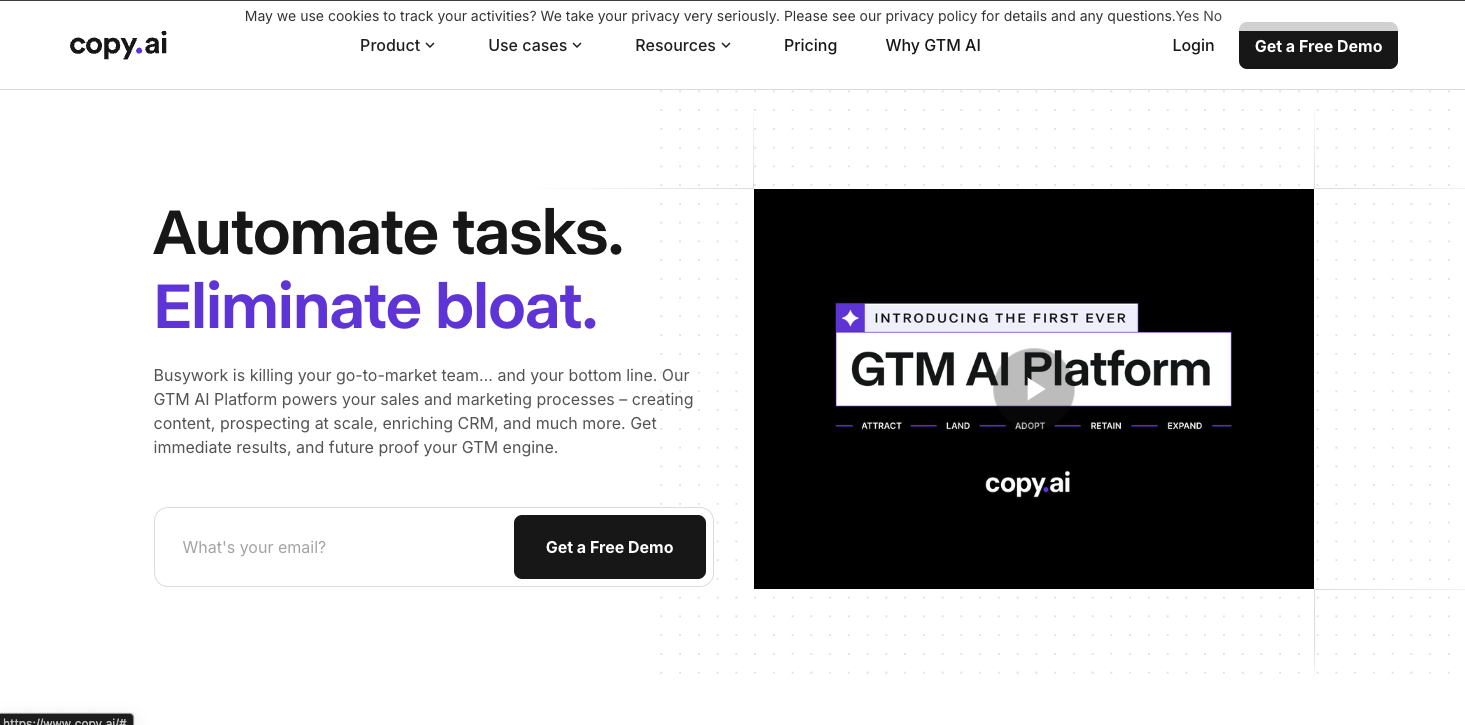
d. Copy.ai
This AI-powered tool generates compelling and relevant copy ideas based on user input. Its algorithms can write not just blog posts but also product descriptions and social media posts, while keeping SEO best practices at the forefront.
For businesses with unique content needs or niche markets, AI/ML development services can customize the algorithms behind Copy.ai to better align with specific brand voices and industry requirements.
Pricing:
- Free Plan
- Solo Plan: $49 per month
- Team Plan: $99 per month
- Business Plan: $399 per month
Pros:
- Fast development of engaging, high-quality content.
- Very helpful for blog posts, social media updates, and ads.
- The interface is user-friendly, and each function includes templates to assist users.
Cons:
- The quality of the output may vary, and sometimes it requires excessive editing.
- It can only be that creative because an AI generates it, and most of the time, it’s unable to capture your voice perfectly.
- Further usage will increase the cost.
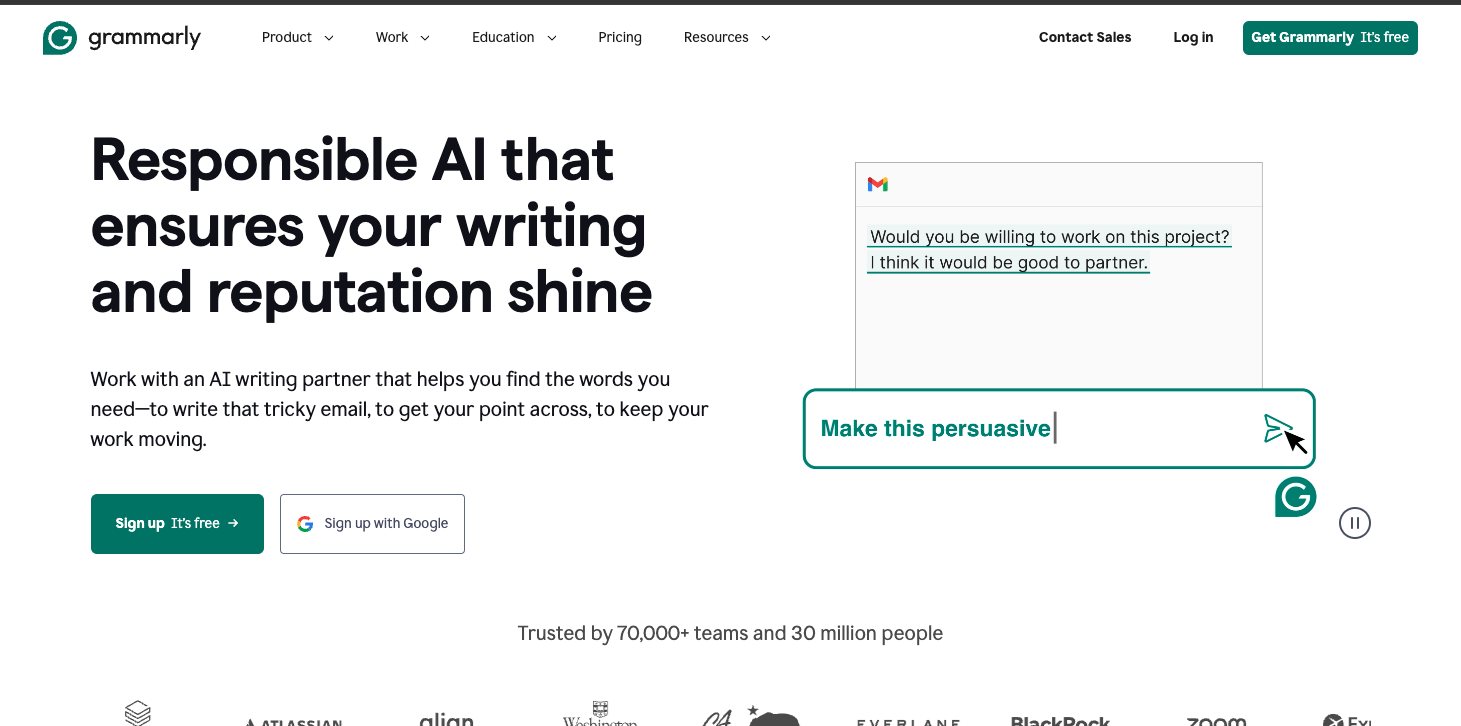
e. Grammarly
While most people use Grammarly for grammar and spell checking, this AI writing assistant also provides suggestions on style and tone. It doesn’t just check that your content is free of errors, but also that it is appealing and readable.
Pricing:
- Free Plan
- Premium Plan: $12 per month
- Business Plan: $15 per user per month
Pros:
- Excellent grammar and style checker with live suggestions.
- Rich functionality for tone detection and improvements in clarity.
- Compatible with numerous platforms and applications.
Cons:
- This tool’s core consists primarily of grammatical and stylistic checkers, with limited functions for content creation. The premium is rather expensive. It does not always understand the context or specific nuances of writing problems.
f. Clearscope
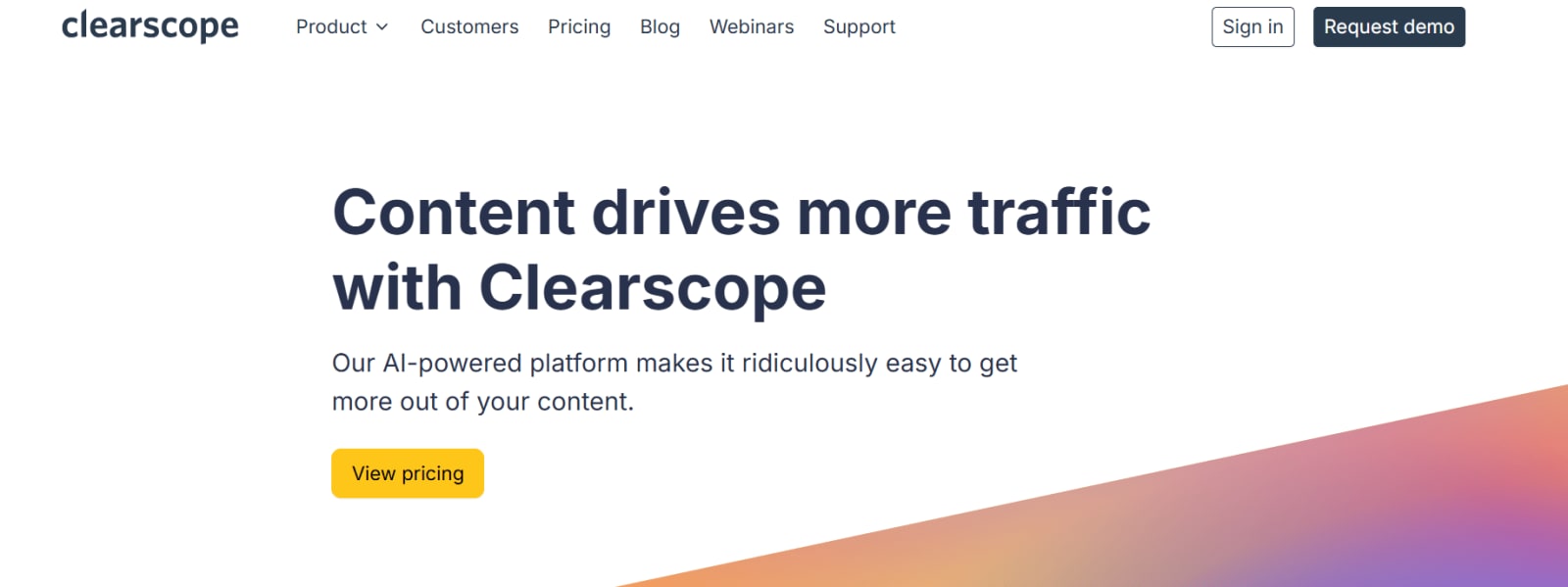
In its quest to enhance content relevance and comprehensiveness, Clearscope uses an AI-driven content optimization tool. It reads top content performance in the search results and provides recommendations to improve the quality of one’s content and keyword usage.
Pricing:
- Basic Plan: $350 per month
- Standard Plan: $650 per month.
- Advanced Plan: $1,200 per month.
Pros:
- Ideal for SEO, as it provides keyword and readability suggestions.
- Advanced analysis to build engaging relevance in the content.
- Easy to use, with pleasant integration with other content tools.
Cons:
- It focuses on optimization rather than creation.
- A bit pricey for smaller teams or individuals.
- It takes some time to learn how to work with it effectively.
- AI-Based On-Page SEO Analysis
On-page SEO optimizes individual web pages to improve their ranking and drive more relevant traffic. AI tools can scan on-page elements, including meta tags, headings, and content, for compliance with SEO requirements.
g. SurferSEO
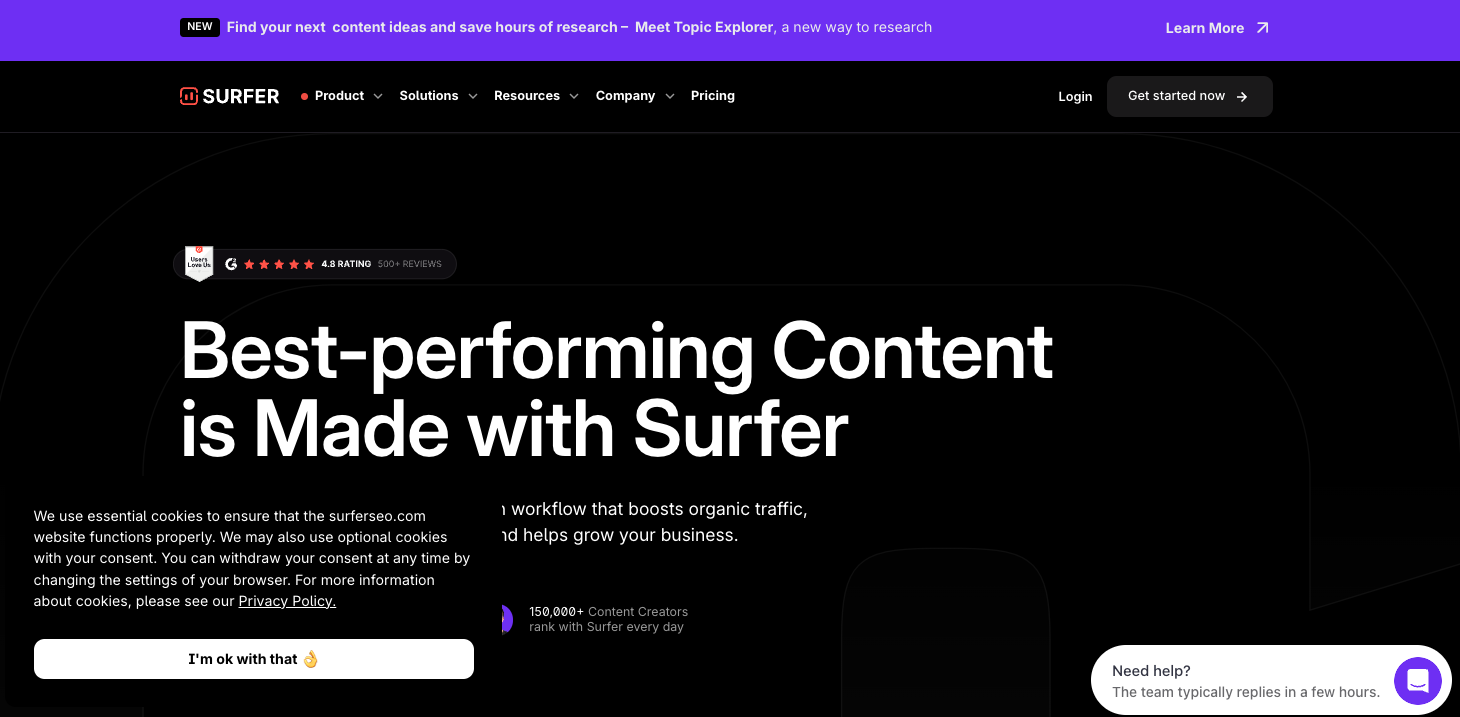
The tool merges artificial intelligence with data-driven analysis to identify on-page factors and provide actionable recommendations, guiding optimal content structure, keyword density, and meta tags to improve search rankings.
Pricing:
- Basic Plan: $59 per month
- Pro Plan: $119 per month
- Business Plan: $239 per month
Pros:
- Performs SERP analysis and provides on-page SEO recommendations.
- Provides excellent value to customers by optimizing the content for better search rankings.
- You get a suite of tools ranging from keyword research to an audit.
Cons:
- The tool can sometimes seem overwhelming and may require some time to become familiar with.
- Pricing is a bit high if paid monthly.
- The effectiveness of the recommendations depends significantly on the industry and the level of competition.
h. MarketMuse
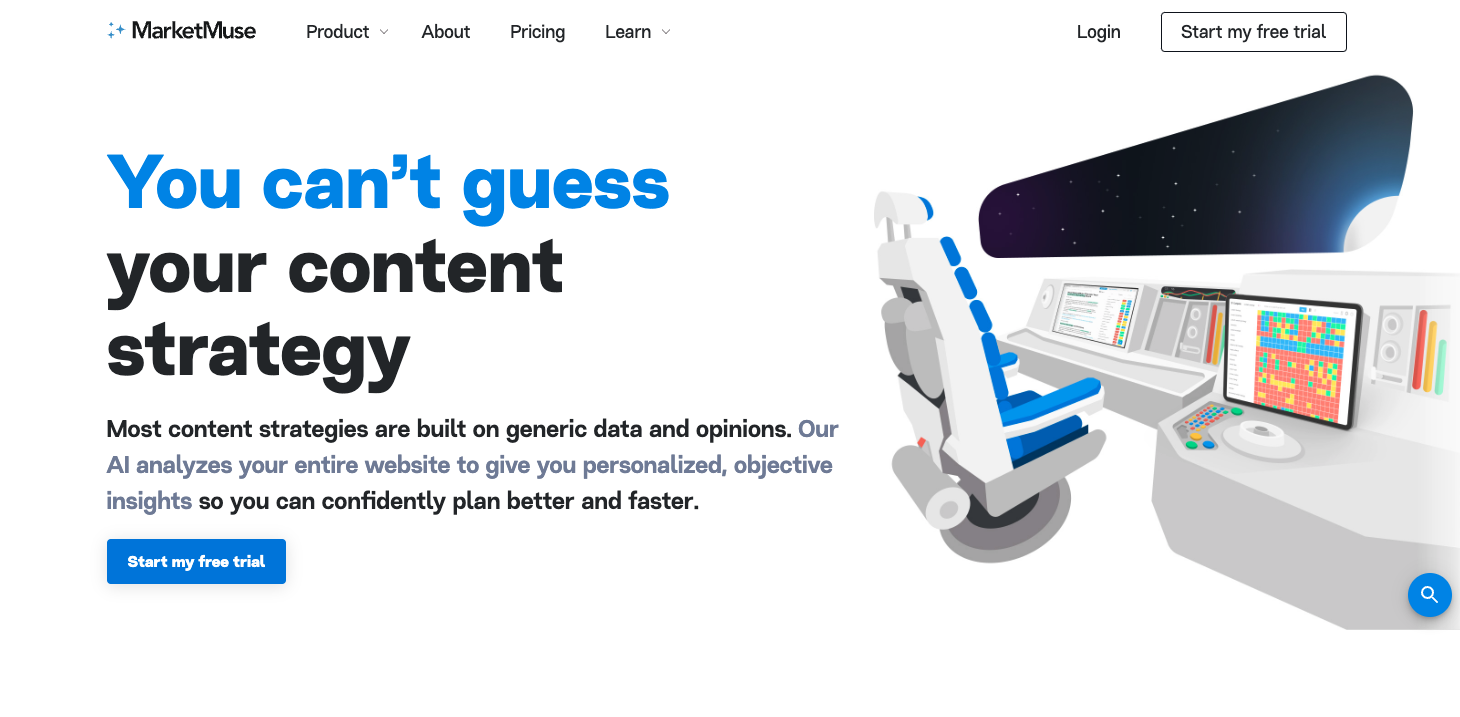
Utilizing AI-driven content analysis and recommendations, MarketMuse seeks to optimize on-page SEO. The algorithms evaluate content quality, keyword usage, and topic relevance, all of which help users create content that ranks well.
Pricing:
- Standard Plan: $600 per month
- Professional Plan: $1,200 per month
Pros:
- Uses AI to analyze and recommend content improvements to capture search engine interest. Great for content strategy and topic research.
- Offers a profound competitive analysis and content scoring.
Cons:
- Rather expensive for large teams.
- Sometimes the tool recommends very generic topics.
- It can be overwhelming due to its numerous advanced features.
- AI-Enhanced Technical SEO Tools
Technical SEO refers to the process of optimizing a website’s infrastructure to make it easily accessible and indexable by search engines. These AI tools automate a portion of technical SEO work, including website audits, crawl analysis, and error detection.
i. Screaming Frog
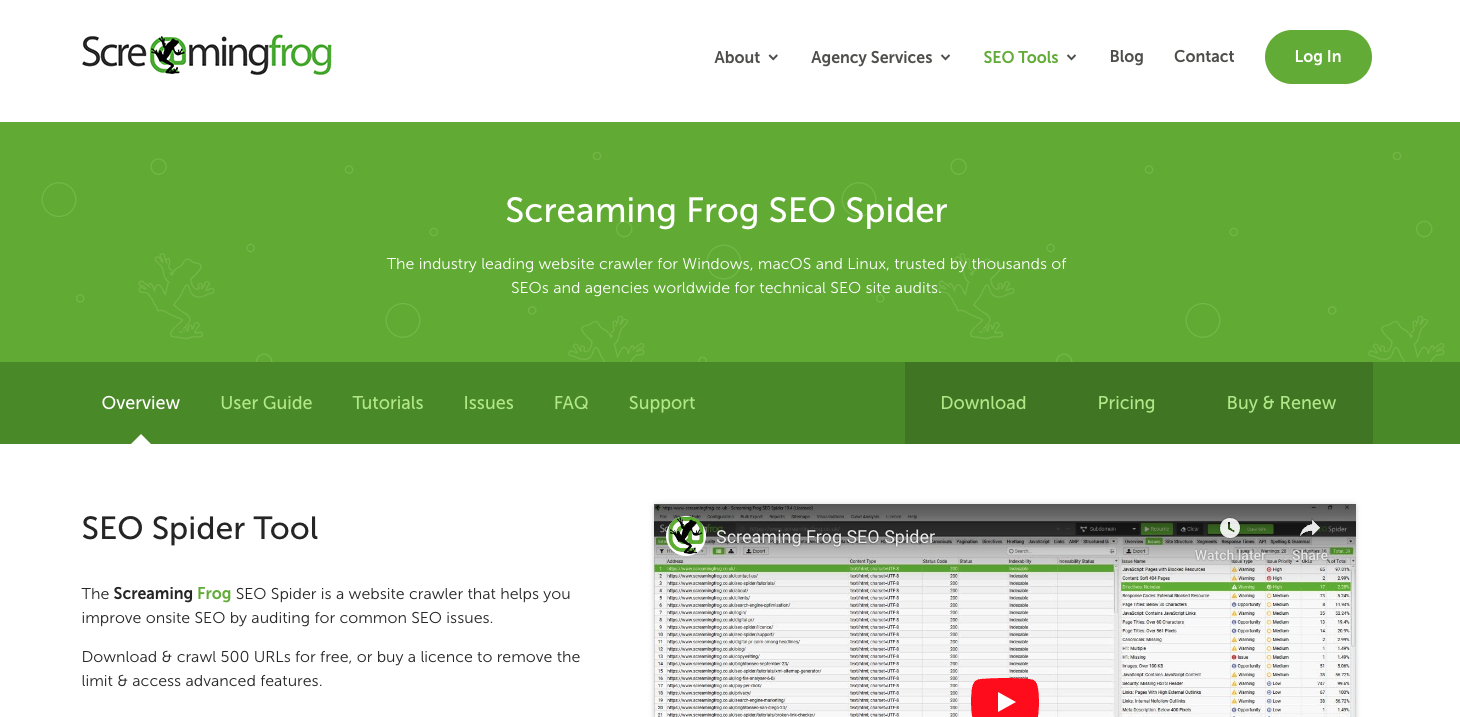
Their AI-driven website crawler maps website structure, finds broken links, and detects SEO issues. Screaming Frog provides granular insights into technical SEO features to help firms make specific improvements.
Pricing:
- Free Plan
Pros:
- Deep website crawling and technical SEO analytics.
- Great for finding broken links, duplicate content, and other technical issues.
- Offers a free and a paid version, each with different functionality.
Cons:
- The interface may be pretty overwhelming for inexperienced users.
- The free version is limited in crawl size.
- Sometimes this tool requires manual interpretation of the data and findings.
j. Lumar
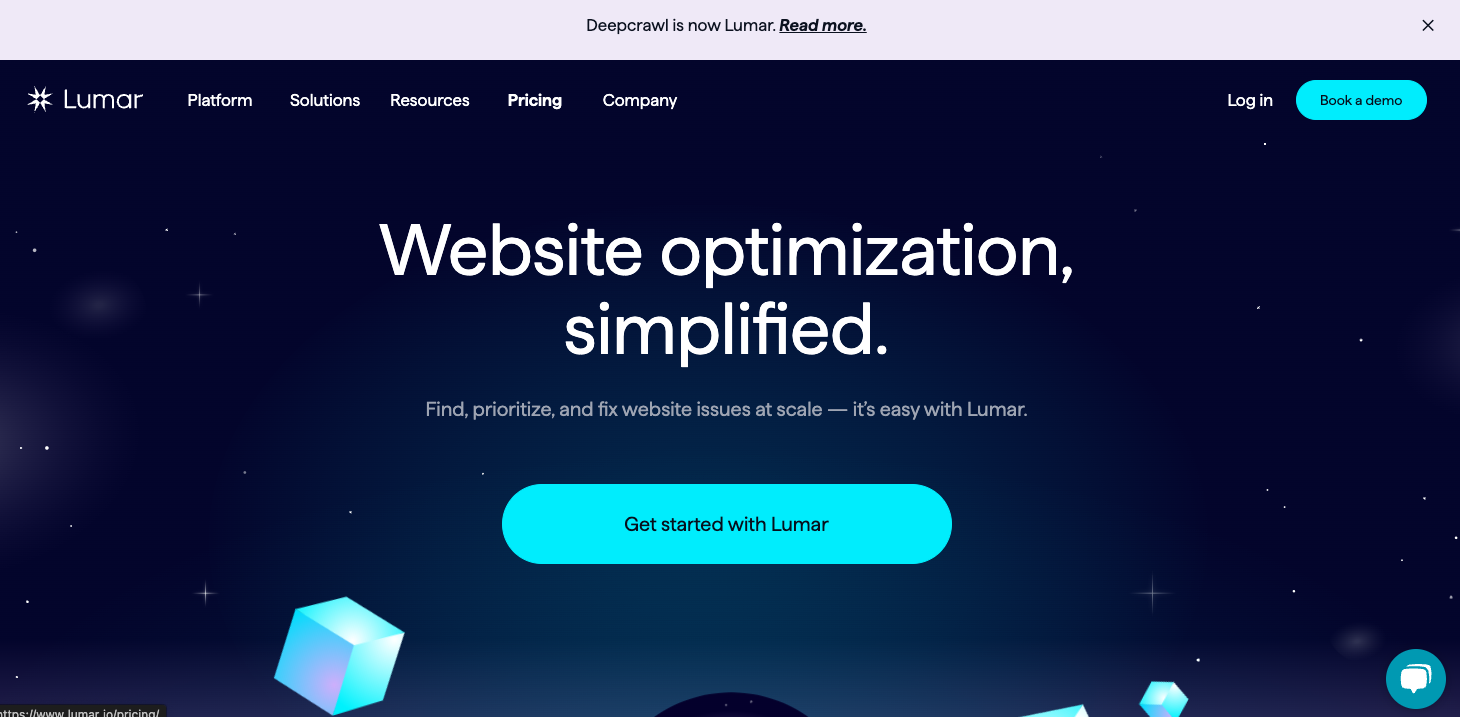
Lumar applies AI to run end-to-end site audits, surfacing technical issues that impact SEO performance. It also enables profound insights into site architecture, internal linking, and crawl errors.
Pricing:
- Essential Plan: $79 per month
- Advanced Plan: $149 per month
- Professional Plan: $299 per month
Pros:
- Advanced site audit functions focus on technical SEO and user experience.
- Provides actionable insights with recommendations.
- Suitable for large, complex websites.
Cons:
- A little pricey for smaller businesses.
- There may be a slight learning curve if you’re new to it.
- Some features are less intuitive than others.
- AI-Powered Link Building Tools
Link building is a crucial factor in SEO, as high-quality backlinks are a key way to establish authority and improve rankings. AI tools can help with better link building through prospecting and automated outreach.
k. BuzzSumo
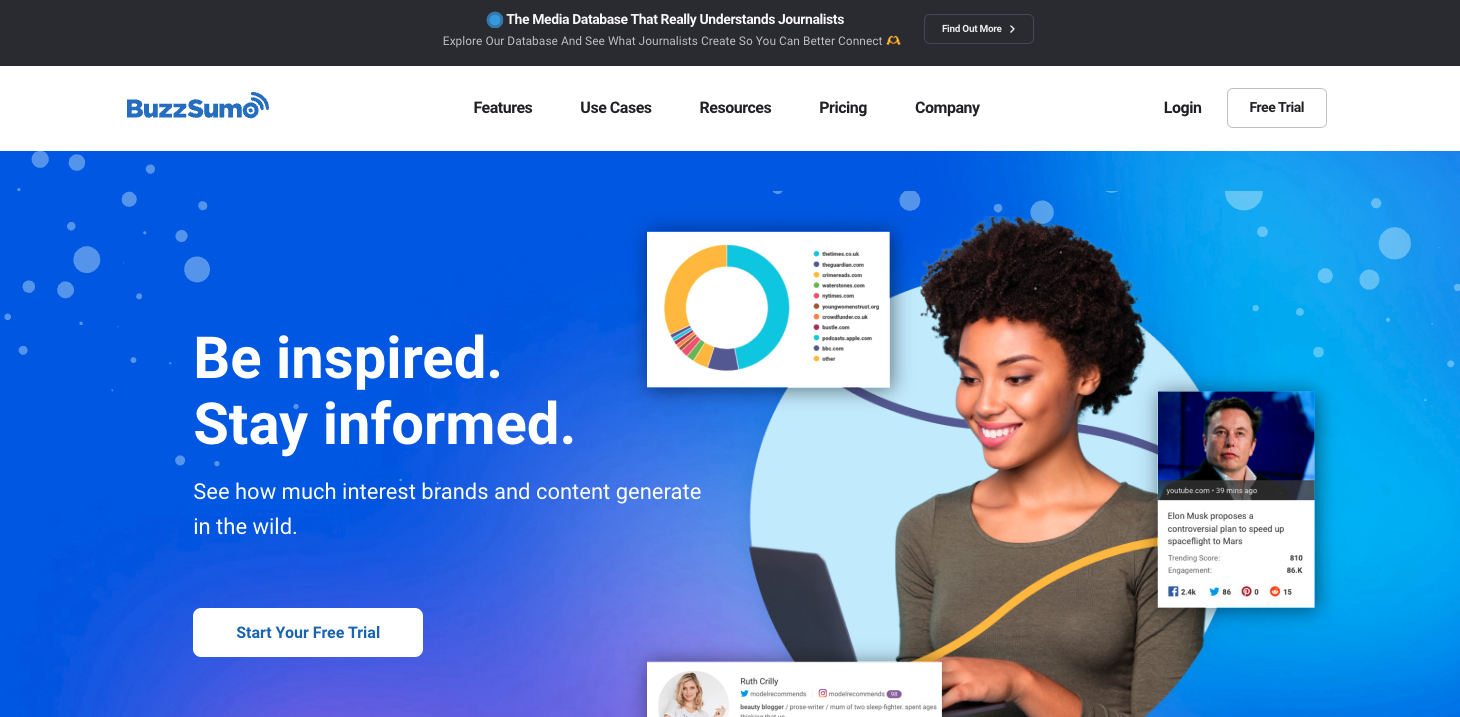
Their AI-driven tool analyzes content performance to identify high-authority sites that offer potential link-building opportunities. It helps identify influencers and content creators who can help amplify link-building efforts.
Pricing:
- Free Plan
- Pro Plan: $119 per month
- Plus Plan: $199 per month
- Large Plan: $499 per month
Pros:
- Excellent for identifying content trends and finding potential link-building opportunities.
- Provides insights into content performance and social shares.
- User-friendly interface with various search and filtering options.
Cons:
- Primarily focused on content discovery rather than direct link building.
- It can be expensive for advanced features and larger databases.
- Limited functionality for tracking and managing link-building campaigns.
l. Pitchbox
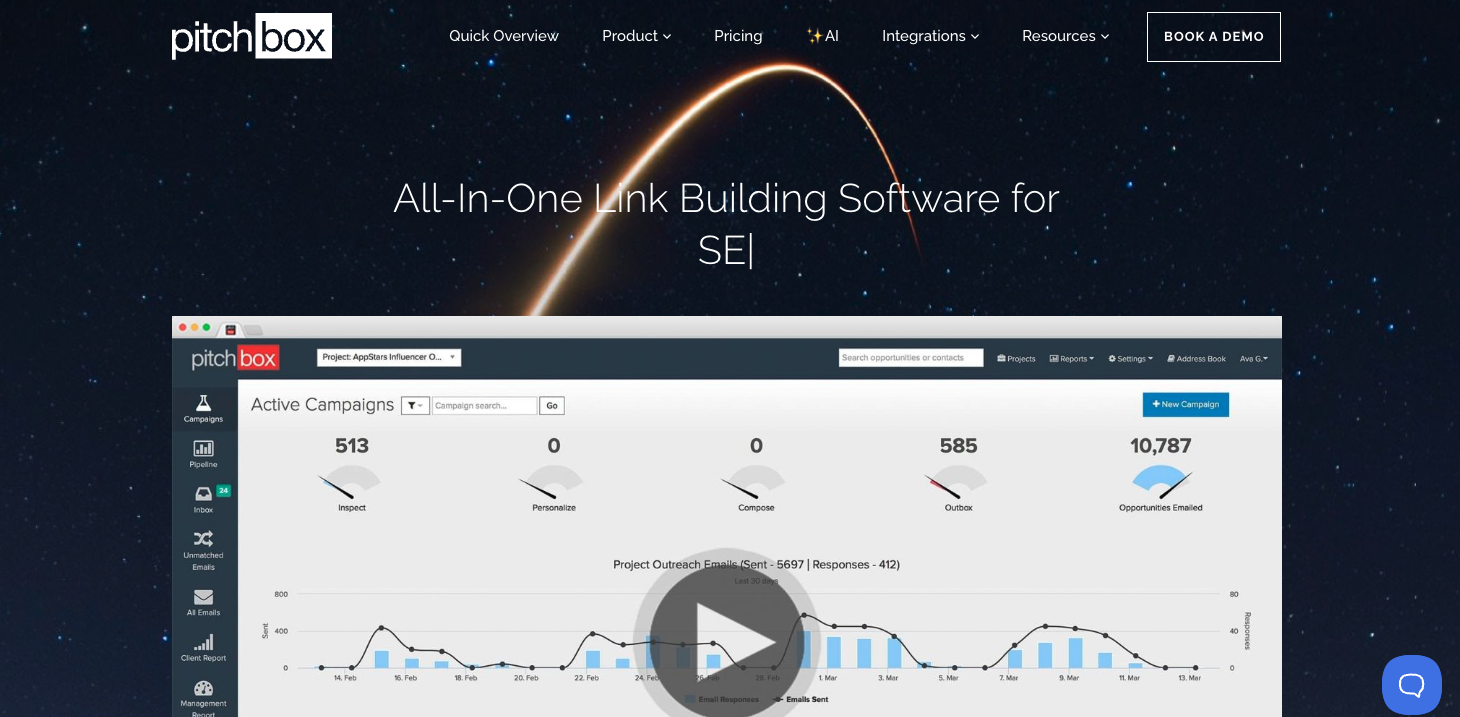
The tool uses artificial intelligence to simplify link-building outreach. The email outreach is automated with this tool, which tracks responses and provides the insights a link-building campaign requires.
Pricing:
- Starter Plan: $395 per month.
- Growth Plan:$795 per month.
- Professional Plan: $1,495 per month.
Pros:
- Effectively manages and automates outreach and link-building campaigns.
- Integrates with several SEO tools and allows in-depth reporting.
- Outreach will be easier and faster thanks to its template customization and automation capabilities.
Cons:
- If you need to set up custom outreach workflows, the process may take some time.
- It can be pricey for small teams or solo users.
- Constant management is required for successful campaigns.
Benefits of Using AI Tools for SEO Optimization
Among the significant benefits of integrating AI tools into SEO strategies, the most important ones are as follows:
- Higher Efficiency: AI tools automate tasks that are inherently repetitive, freeing professionals to focus on strategic work. This leads to efficient workflows and quickens the implementation of SEO strategies.
- Data-driven insights: AI tools analyze large volumes of data to provide actionable insights. These insights enable businesses to make informed decisions by offering effective SEO strategies that target the right keywords and optimize their content accordingly.
- Enhanced Accuracy: AI algorithms are powerful enough to predict search trends, assess keyword difficulty, and evaluate content performance. This accuracy will help businesses optimize their SEO efforts and achieve better results.
- Competitive Advantage: By utilizing AI tools, businesses can gain a competitive edge in identifying trends and opportunities ahead of time and optimize their strategy based on real-time data.
- Scalability: With large volumes of data and the ability to run complex analyses, AI tools enable businesses to scale their SEO efforts and manage multiple projects simultaneously.
Challenges and Considerations
While there are several benefits associated with these AI tools, there also exist considerable challenges and considerations. For example:
- Cost: Utilizing AI tools for SEO optimization can be quite expensive and may pose a challenge for small or startup businesses. There is a need to weigh the cost against the potential benefits and the extent to which it would help generate income.
- Dependency on Data: AI tools drive insights and recommendations from data. Poor or incomplete data will yield poor results; therefore, it is crucial to ensure data quality and relevance.
- Algorithm Limitations: Although AI algorithms are compelling, they can also prove to be faulty. They often fail to grasp the context or intent; therefore, human acumen in interpreting results and making strategic decisions is irreplaceable.
- Continuous Updates: SEO itself is dynamic, with frequent algorithm updates and changes in search engine practices. Similarly, Managed DevSecOps ensures adaptability to rapidly evolving security challenges by combining expertise and automation within a managed environment. AI tools must be continually updated to remain relevant and practical.
The Future of AI in SEO
The future for AI applied to SEO is bright, with non-stop development in machine learning, natural language processing, and data analytics. As AI technology advances, the tools and features that can further enhance SEO strategies become increasingly sophisticated.
According to AI Chatbot use cases, the complete integration of AI tools with SEO will result in a more integrated approach to digital marketing, where optimized content and seamless customer interactions work together to drive results.
- Advanced Personalization: AI will further personalize SEO strategies by analyzing individual user behavior and preferences. It helps enterprises develop highly targeted content and optimize user experiences.
These may include customized AI development services to tune AI algorithms and models to a company’s specific needs. These could take the form of customized solutions for analyzing user data or of integrating a personalized content delivery system into an effective SEO strategy.
- Voice Search Optimization: This becomes very relevant with the growth in voice assistants. AI will be center stage in optimizing content for voice search. AI tools will help businesses better understand and address voice search queries.
- AI-driven Predictive Analytics: In the future, AI tools may offer predictive analytics that forecast trends and user behavior, enabling businesses to maintain a competitive edge and proactively adapt their SEO strategies.
- Other Technologies Integration: AI will continue to integrate with other emerging technologies, such as augmented reality and virtual reality, to develop new SEO strategies and enhance user experiences.
Conclusion
AI tools in SEO are transforming how businesses approach search engine strategies.
Powering this, from keyword research to content creation, technical SEO, and link building, are AI technologies that bring enhanced efficiency, data-driven insights, and improved accuracy.
Not without its challenges, though, the benefits that AI tools provide in helping a business achieve SEO success cannot be overstated.
The more advanced the AI technology, the greater the ability of businesses embracing such tools to navigate the changing digital landscape toward their online goals.
A complete integration of AI-driven SEO with AI chatbot development will result in a more integrated approach to digital marketing, where optimized content and seamless customer interactions work together to drive results.
Check out our fresh drops: