
On this page20
- Quick answer: What Were the Best Marketing Campaigns of 2026?
- 1. Columbia Sportswear: Expedition Impossible
- 2. Uber Eats: Build Your Own Super Bowl Commercial
- 3. KitKat: The KitKat Heist
- 4. Claude (Anthropic): A Time and a Place
- 5. Dove: Real Reviews
- 6. adidas: Supernova Adaptive
- 7. Heineken: Could Have Been a Heineken
- 8. Mercado Livre: Field Barcode
- 9. Heinz: Look Familiar?
- 10. SKF: The Faroe Islands Space Program (best B2B campaign of 2026)
- 11. Walmart: The rotisserie chicken handbag
- 12. Duolingo: Phonetic fashion collection
- 13. McDonald's × Xbox: Side Missions
- 14. KFC × Surreal: KFCereal
- 15. John Lewis: Gloria and Pickles
- What the best campaigns of 2026 have in common
- How to Apply These Lessons to Your Next Campaign
- FAQs
- Additional Sources
2026 was the year advertising stopped looking like advertising. The campaigns that won Cannes, dominated the Super Bowl and filled social feeds were mostly products, tools, games and public challenges. Very few were a straight 30-second spot.
Marketing Lad tracked the work that won the biggest awards and drove the most measurable results this year, from January's Super Bowl build-up to the first Christmas ads of November. Below are the 15 best marketing campaigns of 2026, what each brand actually did, the proof that it worked, and the lesson any marketing team can borrow, whatever the budget.
Quick answer: What Were the Best Marketing Campaigns of 2026?
The standout campaigns of 2026 were Columbia Sportswear's Expedition Impossible, Uber Eats' Build Your Own Super Bowl Commercial, The KitKat Heist, Claude's A Time and a Place, Dove's r/eal reviews and adidas' Supernova Adaptive. Each one invited people to take part instead of just watch, and each was tied tightly to something true about the product.
Campaign | Brand | Big idea | Headline result |
|---|---|---|---|
Expedition Impossible | Columbia Sportswear | Win the company if you find the edge of the Earth | Titanium Lion, most-awarded work at Cannes 2026 |
Build Your Own Super Bowl Commercial | Uber Eats | Customize the Super Bowl ad inside the app | $290M+ earned media, 325,000 builders |
The KitKat Heist | KitKat (Nestlé) | Turned a real 12-tonne theft into a tracker and stunt | PR Grand Prix |
A Time and a Place | Claude (Anthropic) | Satire of ads inside AI chatbots | Super Clio and Film Grand Prix |
r/eal reviews | Dove | First 50 Reddit reviews used unedited as ads | Built entirely from customer words |
Supernova Adaptive | adidas | Performance running shoe co-designed with the Down syndrome community | Innovation Grand Prix |
Could Have Been a Heineken | Heineken | WhatsApp bot rewards long voice notes with a free beer | Social and Creator Grand Prix |
Field Barcode | Mercado Livre | A football pitch mowed into a scannable barcode | Outdoor Grand Prix, 7% session lift |
Look Familiar? | Heinz | Fry boxes that already look like the Heinz label | Print and Publishing Grand Prix |
The Faroe Islands Space Program | SKF | A "space program" that harvests moon power underwater | Creative B2B Grand Prix |
Rotisserie chicken handbag | Walmart | A supermarket staple as a fashion accessory | Reportedly sold out in 90 minutes |
Phonetic fashion collection | Duolingo | Designer names spelled the way they're said | New York Fashion Week pop-up paid in streaks |
Side Missions | McDonald's × Xbox | A menu inspired by six game worlds | Food tied to in-game rewards |
KFCereal | KFC × Surreal | Savory cereal served with gravy | Limited drop during Freshers Week |
Gloria and Pickles | John Lewis | The retailer's 20th Christmas ad | Early leader in UK Christmas ad rankings |
1. Columbia Sportswear: Expedition Impossible
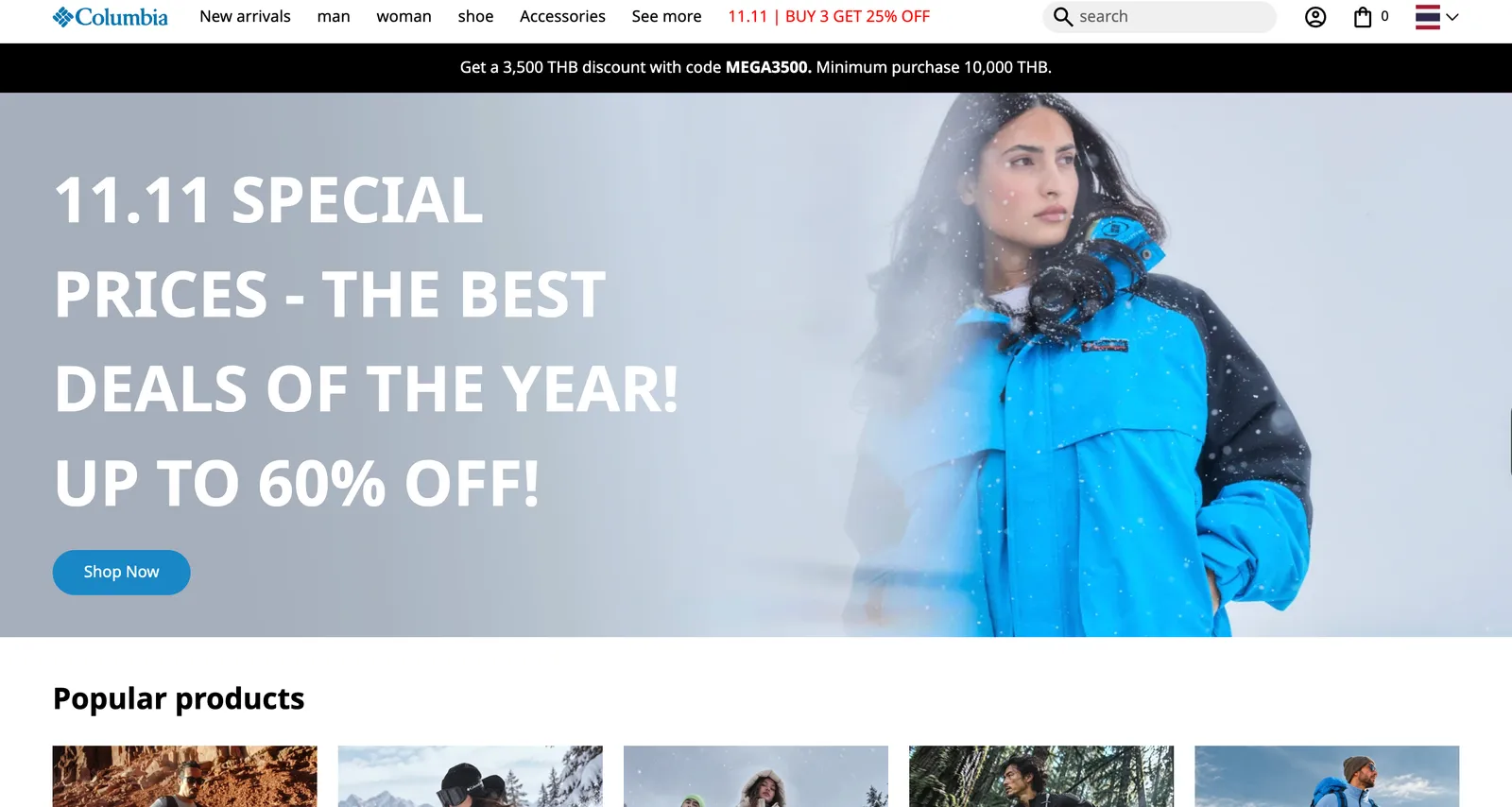
What they did: Columbia's CEO Tim Boyle published an open letter in The New York Times challenging Flat Earthers to find the edge of the planet. Anyone who proved the Earth was flat would win everything the company owns. Social videos showed Boyle touring the "prize", from photocopiers to warehouses, and the brand joined Reddit threads and YouTube comments to keep the joke going. The challenge closed in August 2026 with a final video in which Boyle said he was relieved to keep the company.
Proof it worked: The campaign reached an earned audience of about 80 million people, drew hundreds of submissions with maps and theories, and won the Brand Experience and Activation Grand Prix plus the Titanium Lion at Cannes. With ten Lions, it was the most-awarded campaign of the festival.
Why it worked: It proved a product claim (gear tough enough for anywhere) without a single product shot. The impossible prize made the confidence feel real.
What to steal: Turn your strongest product claim into a public dare. If the claim is true, a challenge nobody can win becomes your best proof point.
2. Uber Eats: Build Your Own Super Bowl Commercial
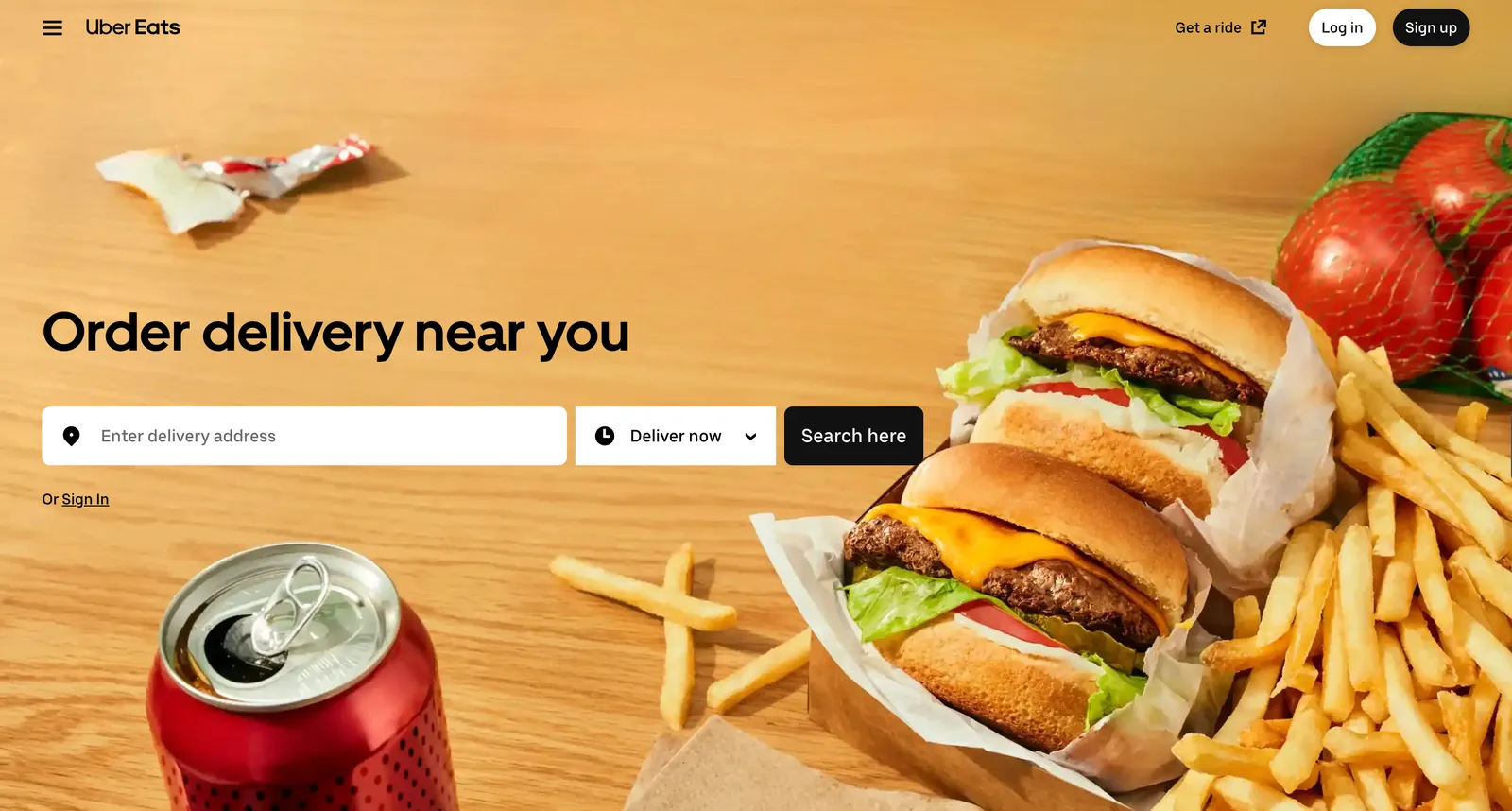
What they did: A week before Super Bowl LX, Uber Eats added a "restaurant" to its app where users picked scenes and celebrity cameos, including Matthew McConaughey and Bradley Cooper, from a menu. The app assembled more than 1,000 possible versions of the ad and emailed the finished film along with a discount code.
Proof it worked: Uber Eats reported more than $290 million in earned media value, 325,000 people building a commercial and 800,000 minutes spent in the experience. It also reported its best Super Bowl sales ever. The work won the Media Grand Prix and a Gold Lion in Direct.
Why it worked: The ad lived where the purchase happens. Every person who built a commercial was already one tap from ordering.
What to steal: Put the campaign inside your product. If people can play with your ad on the same screen where they buy, attention converts instead of fading.
3. KitKat: The KitKat Heist
What they did: In late March 2026, a truck carrying around 413,793 limited-edition Formula 1 KitKat bars, roughly 12 tonnes of chocolate, vanished between Italy and Poland. Instead of a dry statement, KitKat launched a Stolen KitKat Tracker on April 1 where anyone could enter a bar's batch code to check if it was stolen. Weeks later, agency Courage staged a KitKat truck rolling through Toronto with a motorcade of black SUVs.
Proof it worked: KitKat's statement on X passed 391,000 likes in two days, the convoy clip topped 600,000 TikTok views in two days, and brands from Domino's to KFC joined the joke. One industry roundup credited the work with $224 million in earned media value. It won the PR Grand Prix at Cannes.
Why it worked: Speed and tone. KitKat answered a bad news story with a useful tool and a wink, which let the public play detective.
What to steal: Have a reactive playbook ready. When something unexpected happens to your brand, ask what tool or stunt would let people join the story instead of just reading about it.
4. Claude (Anthropic): A Time and a Place
What they did: For its first Super Bowl, Anthropic and agency Mother made darkly funny films in which people ask an AI personal questions about health, relationships or business and get interrupted by irrelevant sponsored answers. Each spot ended with the message that ads are coming to AI, but not to Claude. The spots arrived shortly after OpenAI confirmed plans for ads in ChatGPT.
Proof it worked: The campaign was estimated to reach about 120 million viewers, received an A grade from Kellogg's Super Bowl ad review panel, won the Super Clio for Super Bowl creative excellence and later took the Film Grand Prix at Cannes. It also drew a public response from OpenAI's CEO, which extended the coverage.
Why it worked: It was a classic challenger move. Instead of listing features, it picked one clear difference from the market leader and dramatised it.
What to steal: Find the one thing you will never do that your biggest competitor now does, and build a campaign around it.
5. Dove: Real Reviews
What they did: Dove asked Reddit users to review its Intensive Repair 10-in-1 Serum Mask and promised to publish the first 50 reviews exactly as written, whether good or bad. Those reviews became billboards across New York, a two-day pop-up at Flatiron Plaza with giant product jars, and films in which Redditors read their reviews. Each reviewer appeared as their Reddit avatar to stay anonymous.
Proof it worked: The campaign was picked up across marketing and beauty trade press as one of the most honest beauty campaigns of the year, and it extended into sampling, print and live review streams.
Why it worked: People already trust Reddit more than ads. The negative reviews made the positive ones believable.
What to steal: If your product is genuinely good, let unfiltered customer language be the creative. Ask for honest reviews in public and commit to showing them before you see them.
6. adidas: Supernova Adaptive
What they did: adidas launched the Supernova Rise 3 Adaptive on World Down Syndrome Day, March 21, 2026. It is the brand's first performance running shoe designed with athletes with disabilities, starting from the needs of Ironman finisher Chris Nikic and the Down syndrome community rather than adapting a standard shoe afterward.
Proof it worked: The shoe won the Innovation Grand Prix at Cannes, plus two Golds and a Silver, standing out from roughly 20,000 entries.
Why it worked: The marketing was the product. Inclusion moved from a message in an ad to an object people could buy and run in.
What to steal: Before writing a purpose-led ad, ask whether you can ship a product or feature that proves the purpose instead.
7. Heineken: Could Have Been a Heineken
What they did: Heineken built a WhatsApp bot that answers any voice note longer than three minutes with a simple nudge that the chat could have been a beer, plus a voucher for a free Heineken and suggestions for nearby bars. The idea started in Brazil, where people send far more voice notes than the global average.
Proof it worked: It won the Social and Creator Grand Prix and helped Heineken become Creative Brand of the Year at Cannes 2026, with 31 Lions across 11 campaigns.
Why it worked: It spotted a small, universal annoyance and turned it into an invitation to meet in person, which is exactly what Heineken sells.
What to steal: Look for a habit your audience jokes about and offer a fix that leads straight to your product.
8. Mercado Livre: Field Barcode
What they did: After buying the naming rights to São Paulo's Pacaembu stadium, the e-commerce giant mowed a giant, working barcode into the pitch. Fans watching on TV, streaming or social posts could scan it from their screens to unlock a 25% discount.
Proof it worked: Mercado Livre recorded thousands of scans from live broadcasts and a 7% increase in sessions during the campaign. It won the Outdoor Grand Prix.
Why it worked: It turned the most-watched surface in football from passive sponsorship into a shoppable channel.
What to steal: Audit the media you already pay for, such as sponsorships, packaging and venue branding, and ask how each one could become clickable or scannable.
9. Heinz: Look Familiar?
What they did: Heinz and agency Rethink noticed that classic fast-food fry boxes share the shape of the Heinz keystone label. The ads showed fry boxes with almost no branding and let people make the connection. The campaign ran in eight markets, including the US, UK, Brazil and China, and included an Uber Eats integration that added Heinz Ketchup to fry orders.
Proof it worked: It won the Print and Publishing Grand Prix and a Gold Outdoor Lion.
Why it worked: Years of consistent brand assets meant Heinz did not need to show its logo for people to recognise it.
What to steal: Protect your distinctive brand assets, such as shapes, colours and sounds. Once they are strong enough, you can say more with less.
10. SKF: The Faroe Islands Space Program (best B2B campaign of 2026)
What they did: Swedish bearing maker SKF, agency NORD DDB, tidal energy firm Minesto and Faroese utility SEV launched a "space program" that never leaves Earth. Its "spacecraft" are underwater tidal kites that harvest energy created by the moon's pull on the ocean.
Proof it worked: The campaign earned more than 1,250 media placements across 140 markets, including the BBC, and won the Creative B2B Grand Prix plus a Gold in Creative Strategy.
Why it worked: It borrowed the excitement of the space race to make a technical engineering story emotional.
What to steal: B2B buyers are still people. Wrap your technical story in a cultural narrative they already care about.
11. Walmart: The rotisserie chicken handbag
What they did: Walmart turned its famous rotisserie chicken into a handbag, putting an everyday grocery item into a fashion context.
Proof it worked: The bag reportedly sold out in 90 minutes.
What to steal: You don't need a new product to make news. Put a product people already love into an unexpected category.
12. Duolingo: Phonetic fashion collection
What they did: With designer Megan O'Cain, Duolingo made a seven-piece collection printed with luxury brand names spelled phonetically, solving the common worry of not knowing how to pronounce them. Visitors to a New York Fashion Week pop-up bid for pieces using their Duolingo streaks.
What to steal: Start with a real, slightly embarrassing audience insight and solve it in a setting nobody expects from your brand.
13. McDonald's × Xbox: Side Missions
What they did: McDonald's launched a limited menu inspired by six game worlds, including Halo, Fallout and Forza Horizon, tied to in-app experiences and in-game rewards.
What to steal: The best collaborations give both fan bases something to do, not just a shared logo on a cup.
14. KFC × Surreal: KFCereal
What they did: KFC and challenger cereal brand Surreal released a limited savoury cereal flavoured with KFC's herbs and spices, meant to be eaten with gravy instead of milk. It launched during Freshers Week and sold only through Surreal's online shop.
What to steal: Sometimes the product is the campaign. A strange, limited drop gives people a reason to share, search and buy fast.
15. John Lewis: Gloria and Pickles
What they did: Launched on November 3, 2026, the retailer's 20th Christmas ad stars Kristin Scott Thomas alongside a talking toy dog voiced by Paul Whitehouse, with Sam Fender covering The Rolling Stones. The tagline is "Don't Give Up on Giving".
Proof it worked: It opened as the top-rated UK Christmas ad in early independent rankings, ahead of Argos and Arsenal.
What to steal: A long-running seasonal platform is an asset. Audiences now wait for the John Lewis ad, which no single campaign could buy.
What the best campaigns of 2026 have in common
1. The ad became a product or a tool
Uber Eats' ad builder, KitKat's tracker, adidas' shoe and Heineken's bot were all things people used, not things they watched. Cannes juries rewarded utility far more than polish this year.
2. Participation beat production budget
Columbia, Uber Eats and Dove all let the audience write part of the story. The earned media numbers dwarfed what paid placements alone could deliver.
3. Honesty became a selling point
Dove published bad reviews and Claude built a campaign around a promise not to do something. In a year of AI-generated content, visible honesty stood out.
4. Speed turned bad news into brand growth
KitKat had a tool live within days of the theft. Brands with a reactive process won the moment; brands that waited for approvals missed it.
5. Existing assets did the heavy lifting
Heinz used its label shape, Mercado Livre used its stadium, and John Lewis used two decades of Christmas ads. The cheapest media is the media you already own.
How to Apply These Lessons to Your Next Campaign
Write your strongest product claim in one sentence, then ask how the public could test it.
Find one place where your campaign can live inside your product, app or checkout.
Pick one audience habit or annoyance and design a playful fix that leads to your brand.
List the media you already own, such as packaging, sponsorships and venues, and make one of them interactive.
Agree a 48-hour reactive process with legal and leadership before you need it.
Plan for search: give people a name, product or tool they will want to look up, and make sure your site ranks for it on launch day.
FAQs
What was the most awarded campaign of 2026?
Columbia Sportswear's Expedition Impossible, created by adam&eve TBWA, won ten Lions at Cannes Lions 2026, including the Titanium Lion, making it the most-awarded campaign of the festival.
Which 2026 campaign generated the most earned media?
Uber Eats' Build Your Own Super Bowl Commercial reported more than $290 million in earned media value, the highest figure among the major campaigns in the first half of 2026.
What are some recent innovative marketing campaign examples for small brands?
Dove's r/eal reviews, Heineken's WhatsApp bot and Walmart's chicken handbag are the easiest to adapt on a smaller budget. Each relies on a sharp idea and customer participation rather than a big media spend.
What was the best B2B marketing campaign of 2026?
SKF's The Faroe Islands Space Program won the Creative B2B Grand Prix at Cannes Lions 2026 after earning more than 1,250 media placements in 140 markets.
Who was Cannes Lions Creative Brand of the Year 2026?
Heineken was named Creative Brand of the Year after winning 31 Lions across 11 campaigns. AB InBev was named Creative Marketer of the Year.
Additional Sources
