A single negative Google review showing up prominently in search results can cost you customers before you ever get the chance to speak with them. If you are trying to protect your brand’s online reputation, understanding exactly how Google handles review removal and what options you actually have is the first step toward taking back control. This guide walks you through every legitimate path available, from flagging policy violations to legal remedies and long-term suppression strategies.
What Google Actually Allows You to Remove (And What It Does Not)
Before investing time into any removal effort, you need to understand what Google will and will not act on. Google does not remove reviews simply because a business owner finds them unfair or damaging. The platform treats reviews as user-generated speech and only steps in when a review clearly violates its content policies.
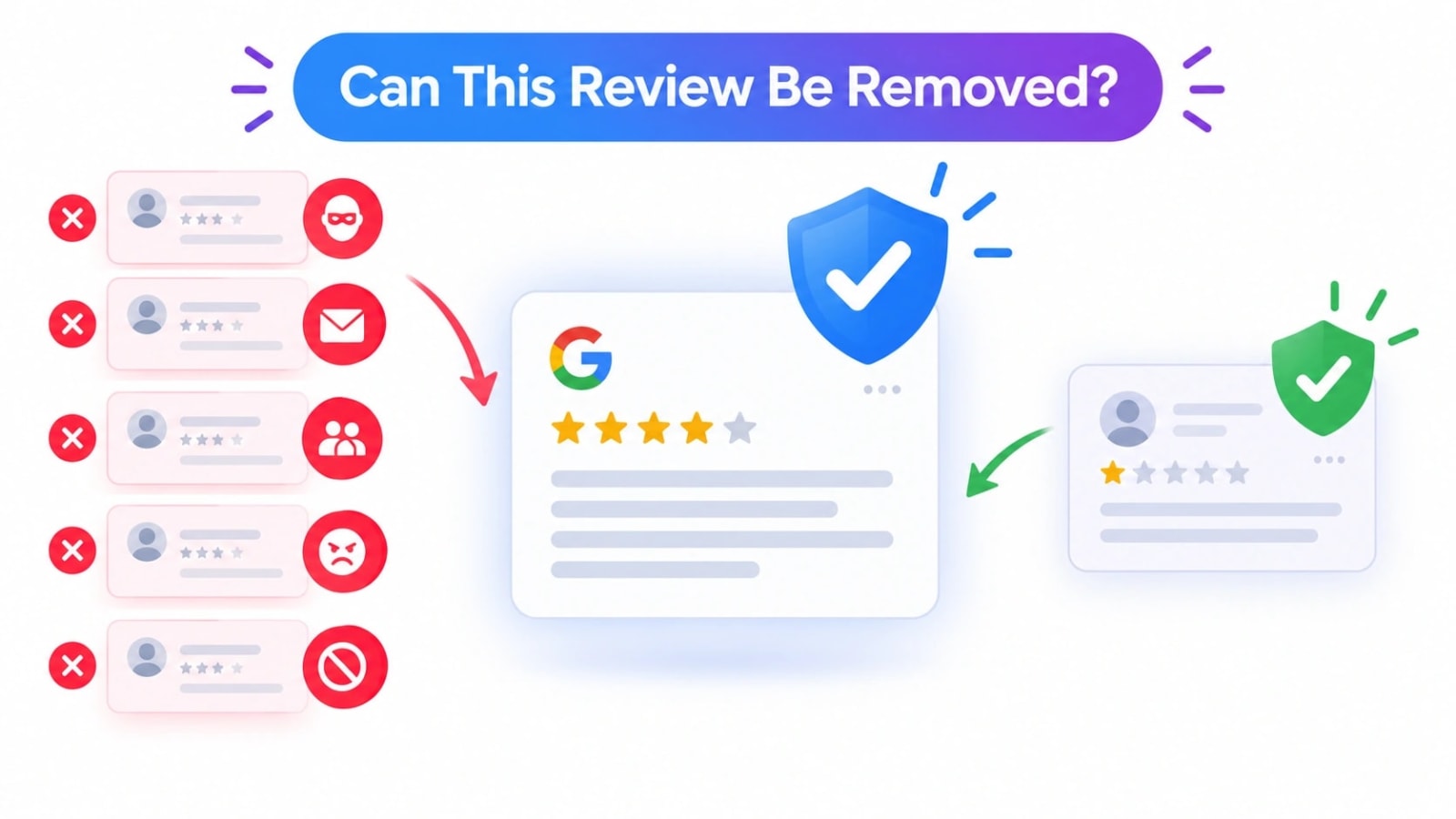
Google will consider removing a review if it falls into one of the following categories:
Spam and fake content: Reviews that are clearly fabricated, posted by bots, or submitted by someone with no genuine customer experience with your business.
Off-topic content: Reviews that have nothing to do with the actual business, product, or service being reviewed.
Restricted or illegal content: Reviews that include hate speech, explicit material, or content that promotes illegal activity.
Conflicts of interest: Reviews posted by current or former employees, competitors, or anyone with a personal or financial stake in harming your reputation.
Personal attacks: Content that targets an individual rather than commenting on the business experience.
Misinformation: Demonstrably false factual claims that can be proven inaccurate.
What Google will NOT remove includes reviews that are simply negative, critical, or one-sided, even if you believe they misrepresent your business. Unhappy customers have the right to share their experiences, and Google’s systems are built to protect that. If a review is harsh but does not violate any of the policies listed above, your path forward shifts from removal to suppression, which is covered later in this guide.
How to Flag a Google Review for Removal: Step-by-Step
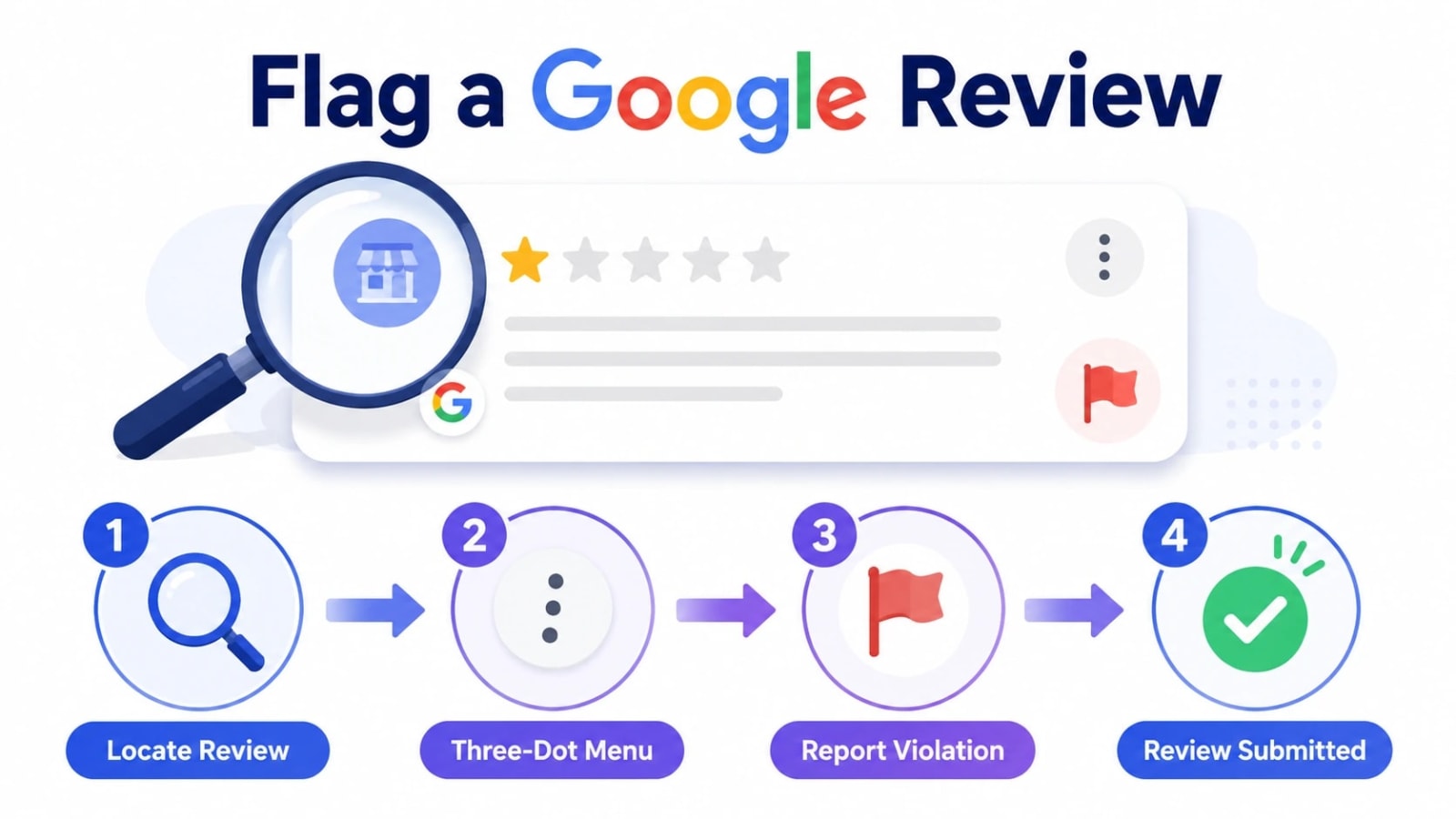
If a review violates Google’s policies, you can report it directly through your Google Business Profile. Here is exactly how to do it:
Sign in to your Google Business Profile at business.google.com using the account linked to your business listing.
Navigate to the Reviews section from the left-hand menu on your dashboard.
Locate the specific review you want to report. Take note of the username, date, and content before proceeding.
Click the three-dot menu (the vertical ellipsis icon) next to the review in question.
Select “Report review” from the dropdown options that appear.
Choose the most accurate violation category from the list Google provides. Be specific, because vague reports are far less likely to result in removal.
Submit the report and wait for Google’s review team to assess it.
Google typically takes several days to several weeks to respond. If your initial report is denied, you can escalate the issue by contacting Google Business Profile support directly through the Help Center and requesting a human review of the case. Be prepared to provide supporting evidence, such as records showing the reviewer was never a customer, screenshots of coordinated review attacks, or documentation that the content is factually false.
One important note: do not flag a review simply because it is negative. Misusing the reporting tool can reduce the credibility of legitimate future reports you may need to make.
Using Legal Routes to Force Google Review Removal
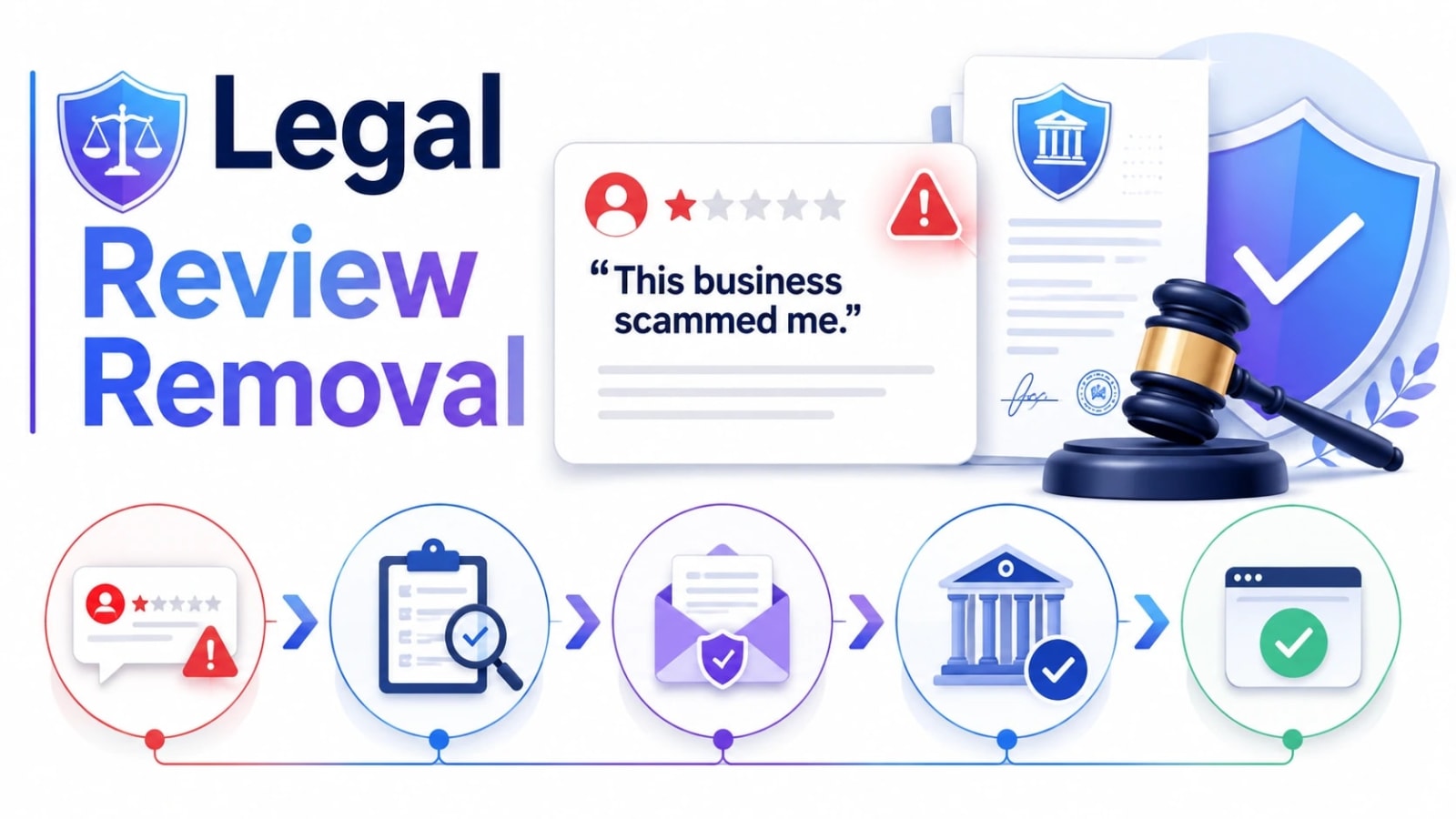
When a review contains genuinely defamatory content, false statements of fact presented as truth, or material that exposes your business to legal harm, you may have grounds to pursue removal through legal channels.
Defamation claims are the most common legal basis for forcing a review down. To have a viable case, the review must contain a false statement of fact (not just a negative opinion), it must have been published to a third party, and it must have caused measurable harm to your reputation or business.
The legal process typically looks like this:
Consult a defamation attorney who specializes in internet law to assess whether the review meets the legal threshold for defamation in your jurisdiction.
Send a cease and desist letter to the reviewer if their identity is known. This sometimes prompts the reviewer to delete the content voluntarily.
File a subpoena or court order to compel Google to remove the content if it is found to be defamatory by a court. Google will comply with valid court orders requiring removal.
Submit a legal removal request directly to Google through its Legal Troubleshooter tool, found within the Google Search Console Help Center, if you have already obtained a court ruling.
Legal routes are resource-intensive and can take months to resolve. They are best reserved for situations where a review is causing serious, provable harm, and all other removal options have been exhausted. In many cases, combining a legal strategy with a proactive online reputation approach, including building strong positive content that outranks the negative review, delivers faster and more reliable results.
Comparison Table: Three Approaches to Handling Negative Google Reviews
When a damaging review appears in your Google search results, you essentially have three paths available: fight for removal, respond publicly, or build around it. Each approach carries different costs, timelines, and success rates, and the right choice depends heavily on the nature of the review itself. Understanding what each option realistically delivers helps you avoid wasting time and money on a strategy that was never going to work for your situation.
For example, a review that contains personal attacks or fabricated claims is a strong candidate for the removal route. A genuinely negative experience from a real customer, however, is nearly impossible to get taken down, so investing energy in reputation repair makes far more practical sense. Below is a breakdown of how the three main approaches compare across the factors that matter most to business owners.
Approach
Best For
Average Timeline
Cost Level
Success Rate
Long-Term Impact
Flag and Report to Google
Policy-violating reviews (spam, hate speech, fake)
1 to 4 weeks
Free
Low to moderate (varies by violation type)
Review disappears if approved
Legal Action
Defamatory or false statements with proof
Several months to years
High (legal fees apply)
Moderate if strong evidence exists
Permanent removal possible but rare
Reputation Repair and SEO
Real reviews that cannot be removed
3 to 12 months
Low to moderate
High for visibility suppression
Builds lasting positive search presence
One important point: these approaches are not mutually exclusive. Many businesses report the negative review while simultaneously responding publicly and generating fresh positive content. That combined approach tends to produce the fastest overall improvement to how your brand appears in search.
What to Do When You Cannot Remove a Negative Review: Reputation Repair Strategies
The hard truth is that most negative Google reviews will not be removed, because most of them technically comply with Google’s content policies. That does not mean you are powerless. Reputation repair focuses on changing what people see and feel when they encounter your brand online, rather than erasing individual pieces of content. Done consistently, it shifts the overall narrative far more effectively than chasing removals ever could.
The most immediate action you should take is responding to the negative review professionally and publicly. A calm, solution-focused reply signals to potential customers reading the review that your business takes feedback seriously. Studies have shown that nearly 45 percent of consumers say they are more likely to visit a business that responds to negative reviews than one that ignores them. Your response is not just for the reviewer; it is for every future customer who reads that thread.
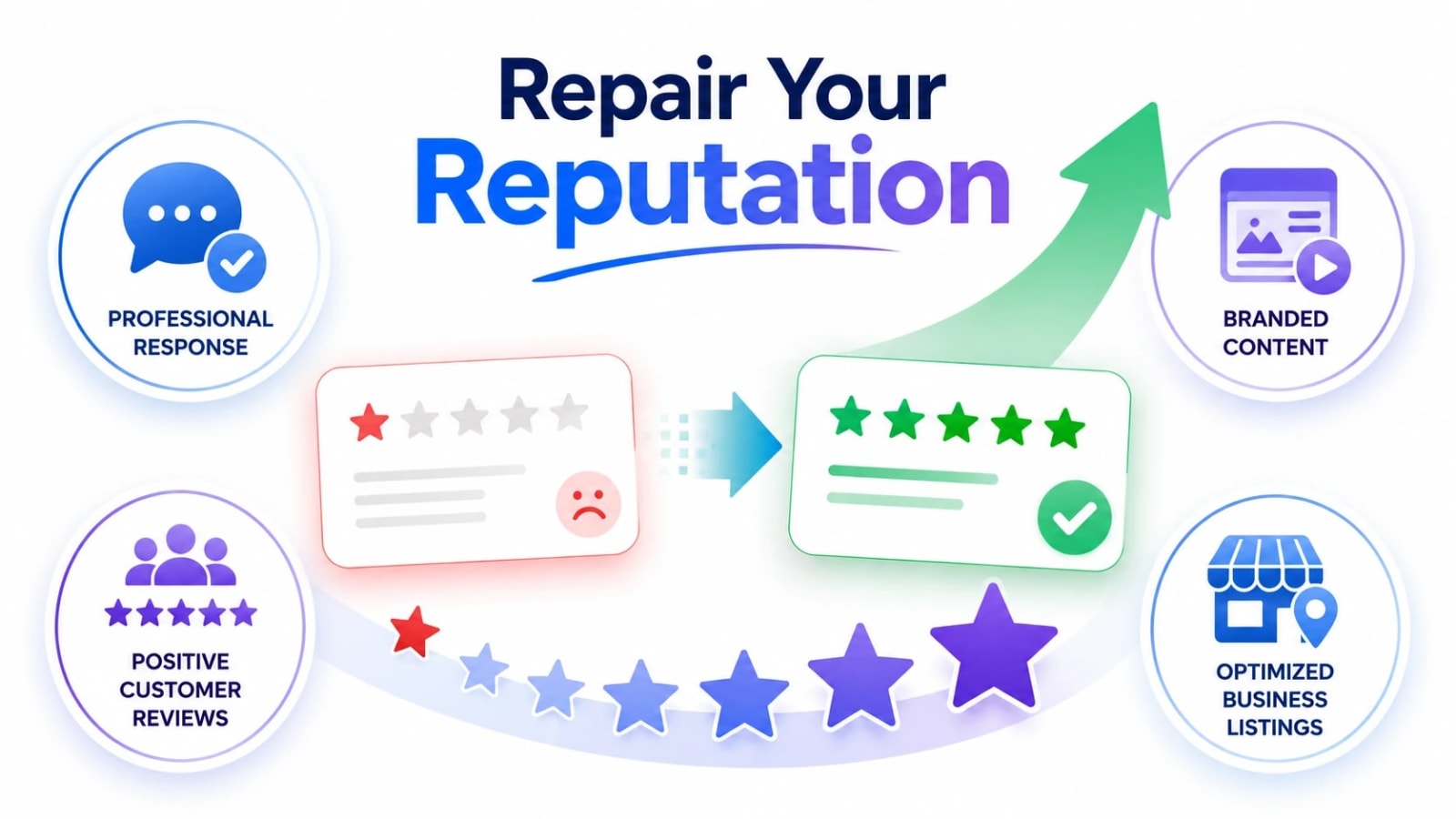
Beyond responding, there are several proven reputation repair tactics worth implementing:
Request more reviews from satisfied customers: A steady influx of genuine positive reviews dilutes the visual weight of a single negative one.
Create strong branded content: Blog posts, press mentions, and social profiles that rank for your brand name push negative content further down in search results.
Claim and optimize all business listings: Consistent NAP (name, address, phone) data across directories strengthens your overall search presence.
Address the underlying issue: If multiple reviews mention the same problem, fixing that problem is the most credible form of reputation management possible.
Engage with third-party review platforms: Building a strong rating profile on other platforms gives you more positive assets that Google can surface.
Pushing Negative Reviews Down in Google Search Results
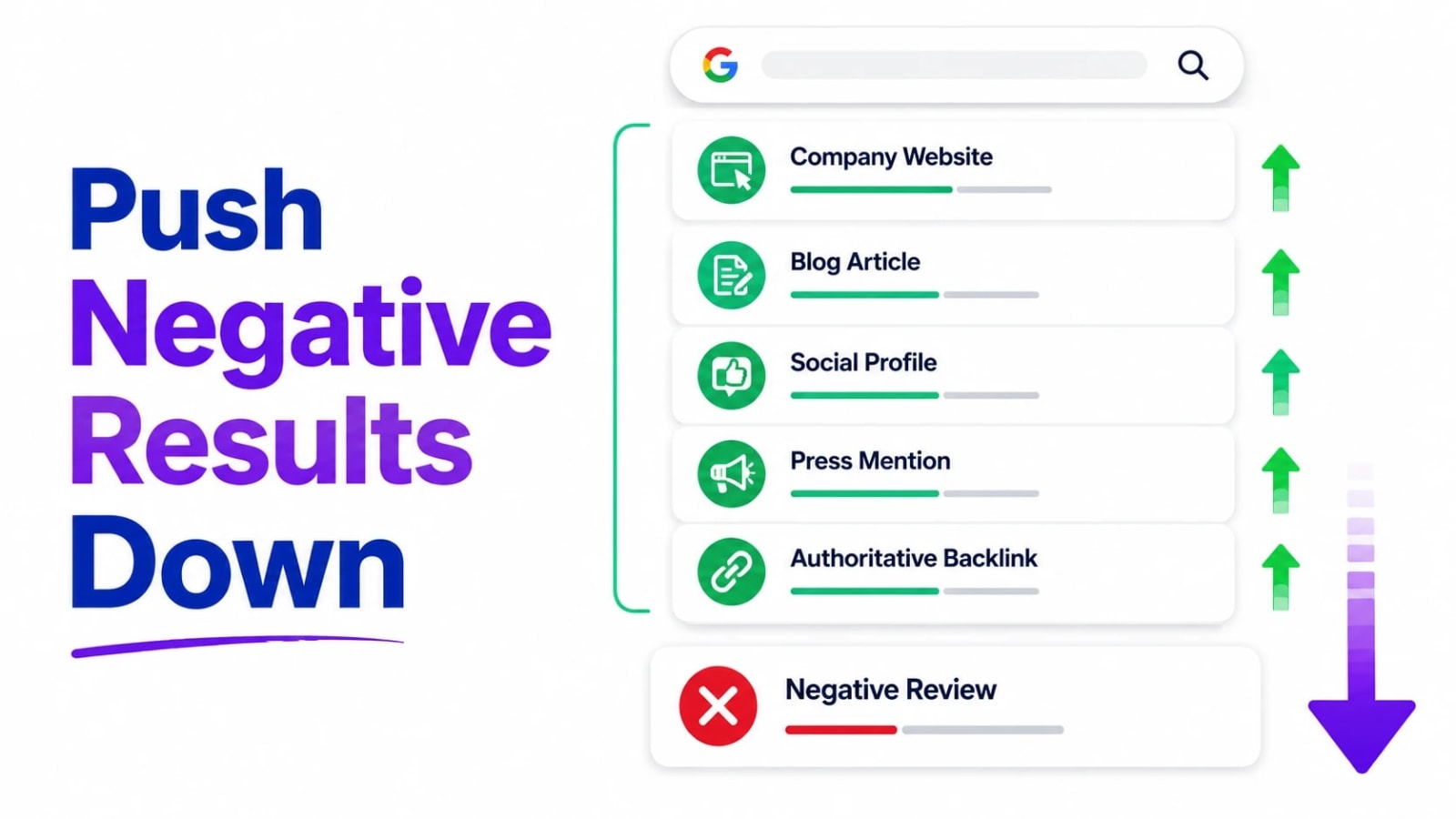
Even when a review cannot be deleted, you can often make it much harder for people to find. Google’s search results are driven by relevance and authority signals, which means that publishing enough high-quality, positive content about your brand can effectively bury a negative review so far down the results page that most users never encounter it. This is the core idea behind search result suppression, and it is one of the most practical tools available to businesses dealing with stubborn negative content.
The strategy relies on creating and strengthening multiple online assets that rank for your brand name or relevant keywords. These can include a well-optimized website, active social media profiles, guest articles published on authoritative websites, press releases, and video content on platforms like YouTube. Each of these assets competes for the same search real estate as the negative review. When enough of them rank above it, the review’s visibility drops dramatically. This is exactly the kind of work that a link-building service can accelerate, since earned backlinks from credible sources raise the domain authority of your positive content significantly.
Key tactics for pushing down negative search results include:
Publishing keyword-rich content on your own website that targets branded search queries.
Earning mentions and links from authoritative publications to boost the ranking power of positive pages.
Optimizing your Google Business Profile so that it dominates the top of branded search results.
Building out profiles on high-authority platforms such as LinkedIn, Crunchbase, and industry directories.
Using structured data markup on your website to encourage rich results that take up more visual space in search.
Common Mistakes Businesses Make When Dealing With Negative Google Reviews
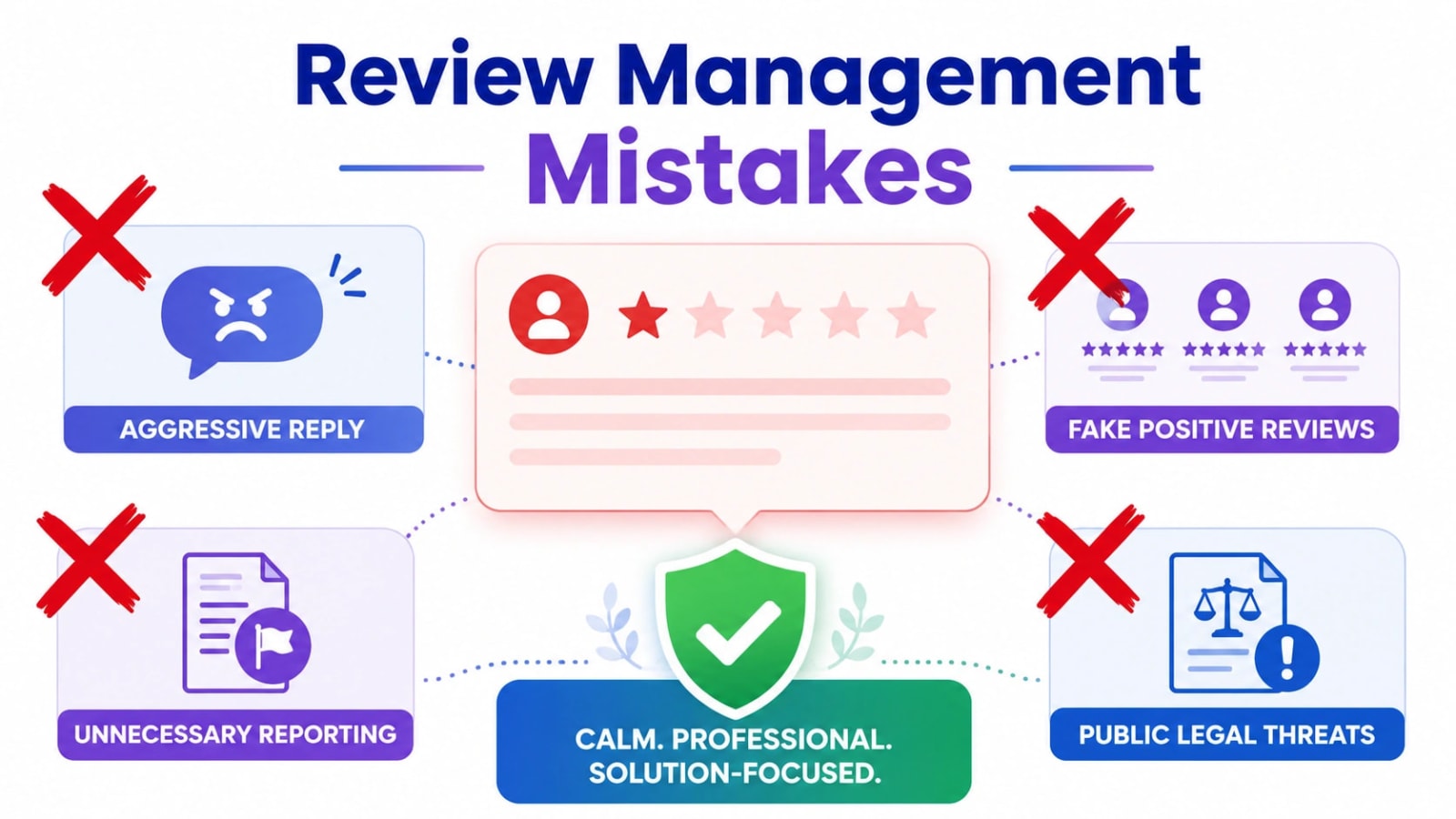
How a business reacts to a negative review often does more damage than the review itself. Emotional or defensive responses, attempts to game the system, and ignoring the problem entirely are all mistakes that tend to compound the original issue rather than resolve it. Knowing what not to do is just as valuable as knowing what actions to take, particularly because some missteps can create legal exposure or violate Google’s policies in ways that hurt your entire listing.
One of the most damaging mistakes is responding aggressively or dismissively to a negative reviewer in public. Even if the review is unfair, a combative reply reads poorly to everyone who sees it and can go viral for the wrong reasons. Equally problematic is the practice of buying fake positive reviews to offset negative ones. Google actively detects and removes inauthentic reviews, and businesses caught doing this can face listing penalties that cause far more harm than the original bad review ever did.
Other frequent mistakes include:
Flagging reviews that clearly do not violate any policies: Repeated bad-faith reports can reduce the effectiveness of legitimate future flags.
Offering incentives in exchange for positive reviews: This violates Google’s guidelines and can result in review removal or listing suspension.
Ignoring the review entirely: Silence suggests the criticism is accurate, which discourages potential customers from choosing your business.
Threatening reviewers with legal action publicly: This approach almost always backfires and draws far more negative attention to the review.
Waiting too long to act: Negative reviews gain ranking strength over time, so early action on both response and suppression is always preferable.
How Long Does It Take to Remove a Google Review?
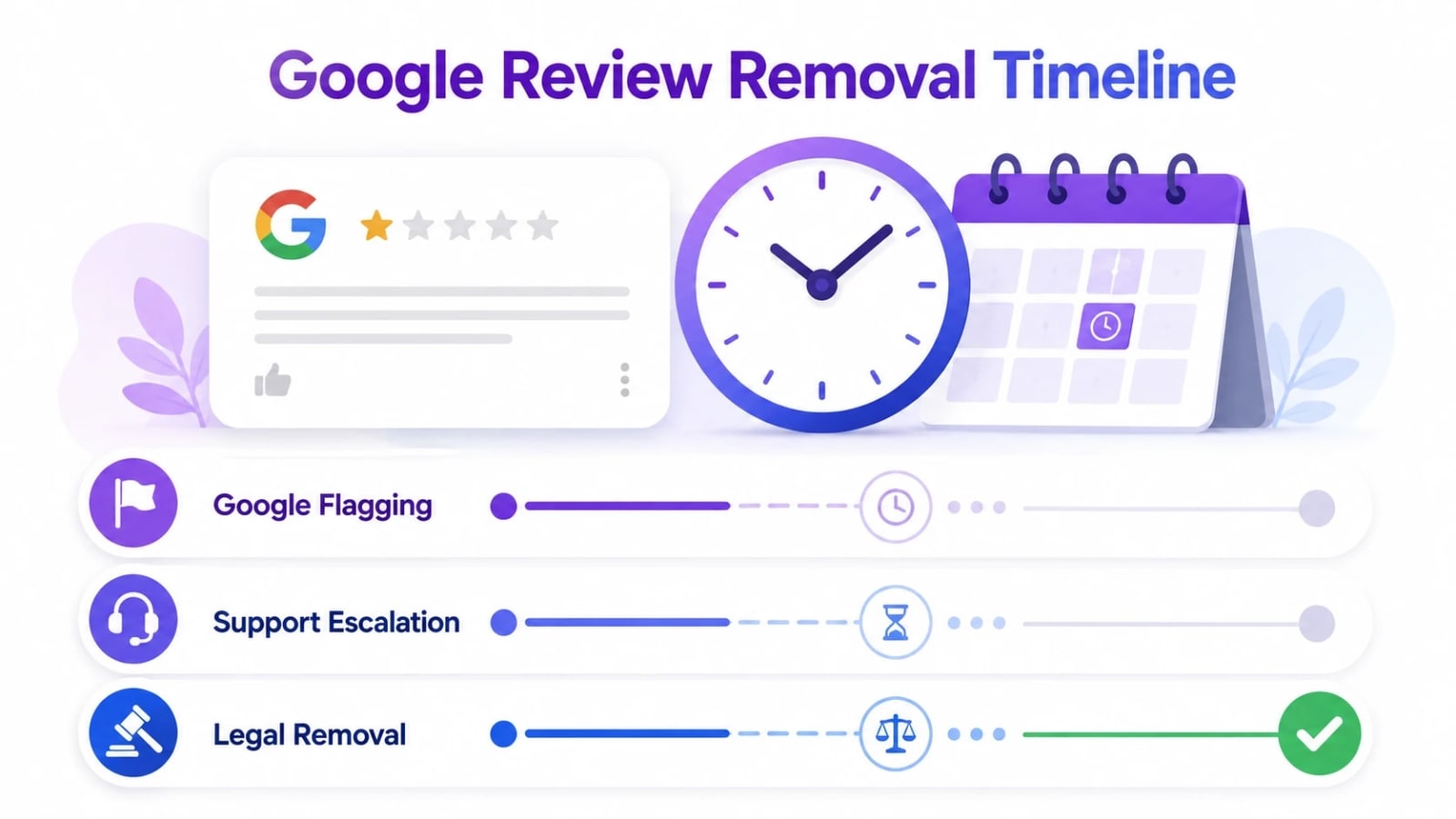
One of the most common questions business owners ask is how long the removal process actually takes. The honest answer is that timelines vary significantly depending on which route you take. Understanding these windows helps you plan your response strategy instead of waiting indefinitely with no action in place.
Google’s flagging process: After you flag a review, Google typically takes between 3 and 14 business days to evaluate it. Complex cases or high review volumes on their end can push this closer to three weeks.
Google Business Profile support escalation: If you escalate through the support chat or phone option, you may hear back within 5 to 10 business days, though a resolution can take longer.
Legal requests (court orders or defamation notices): These routes take the longest, often ranging from several weeks to several months depending on your jurisdiction and how cooperative Google’s legal team is with the submission.
No response from Google: If Google does not act on your flag within 14 business days, you can escalate by contacting support directly and referencing the original flagged review. Persistence matters here.
Reputation repair strategies: Building fresh positive reviews and publishing optimised content can start shifting search results within 30 to 90 days, depending on competition and domain authority.
While waiting, do not leave the negative review unanswered. A professional public response signals to potential customers that you take feedback seriously, even if the review itself is unfair or inaccurate.
How to Monitor Your Google Reviews Proactively
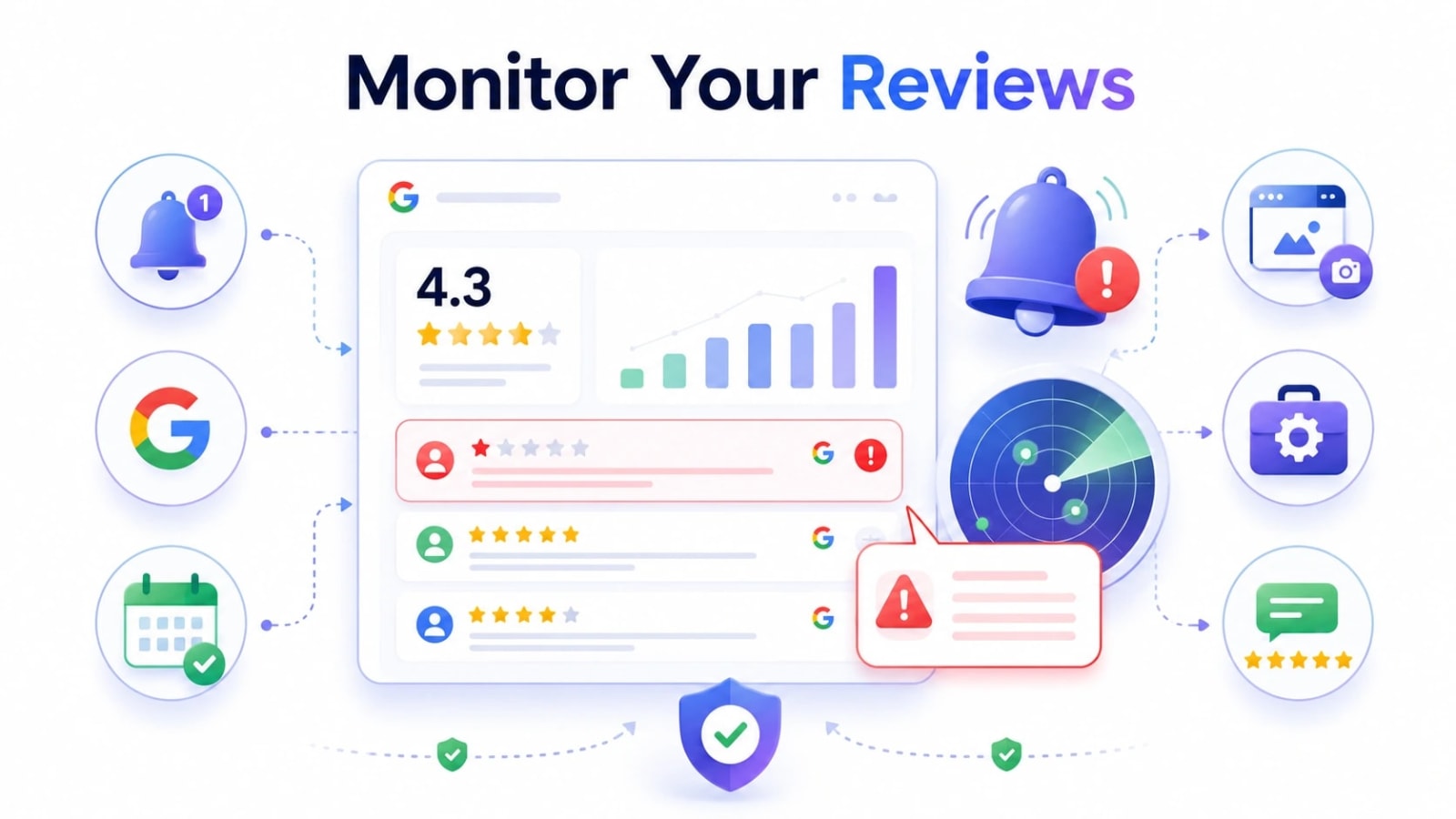
Removing a negative review is reactive. The smarter long-term move is building a system that alerts you the moment a new review appears, so you can respond quickly and decide whether to flag it before it gains any search visibility traction.
Turn on Google Business Profile notifications: Inside your GBP dashboard, enable email alerts for new reviews. This ensures you are notified within hours rather than discovering a damaging review weeks later.
Set up Google Alerts: Create alerts for your business name combined with words like “review,” “scam,” or “complaint.” Google will email you whenever new mentions appear in its index.
Check your GBP dashboard weekly: Make it a scheduled habit. Regular check-ins let you spot patterns, such as a wave of reviews that appear coordinated, which strengthens any future flagging case.
Use review management tools: Several third-party platforms aggregate reviews from Google and other directories into one dashboard, making monitoring faster for businesses with multiple locations.
Document everything: Screenshot negative reviews immediately after they appear. If Google removes them later, you lose access to the original content, which can matter if a legal dispute arises.
Train your team: Anyone managing customer-facing roles should know the process for flagging and escalating reviews internally so nothing falls through the cracks during busy periods.
Proactive monitoring also gives you data. If you notice that negative reviews tend to spike after certain events, such as a price change or a product launch, you can address the root cause rather than just managing the fallout.
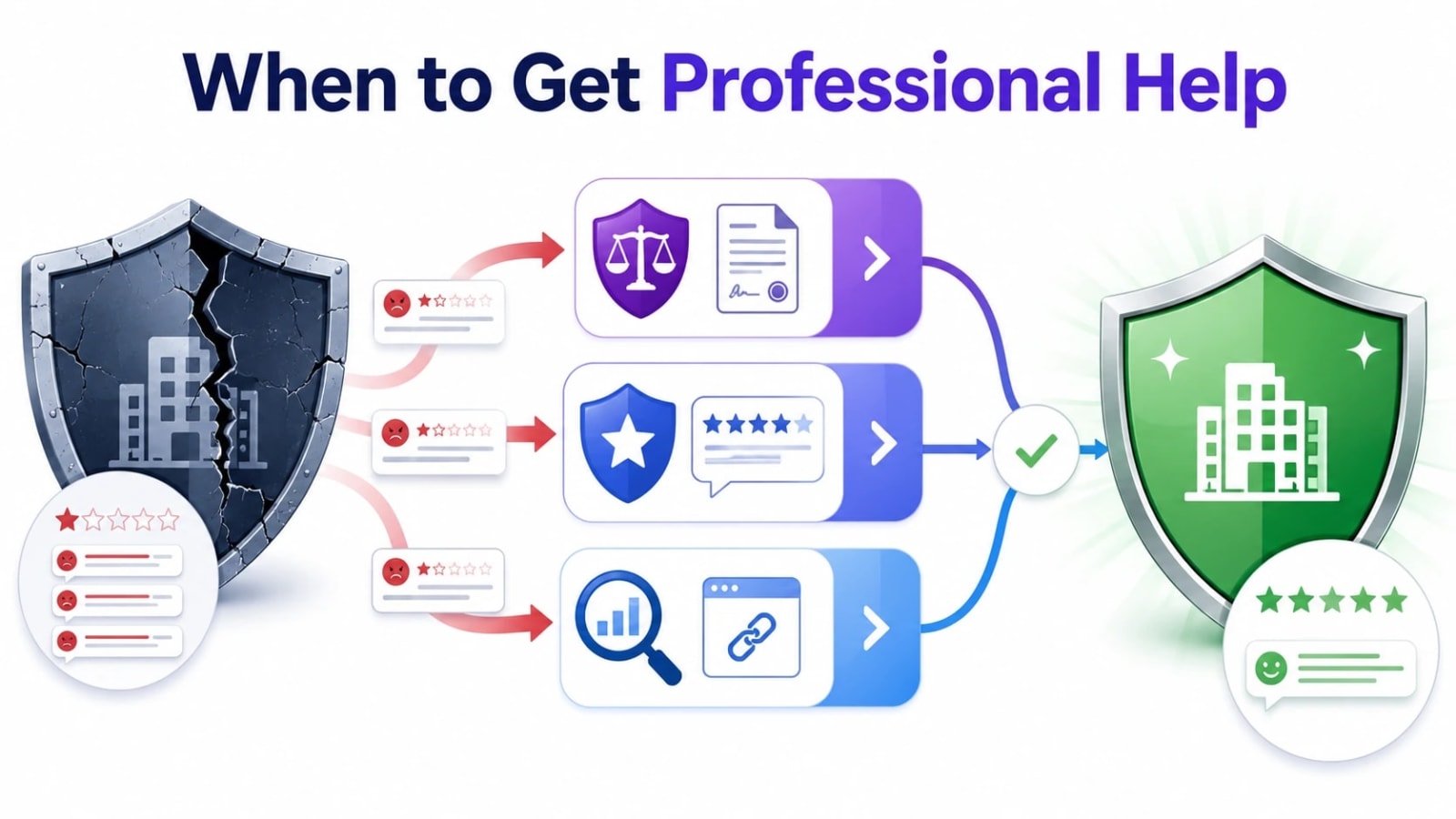
When to Bring in Professional Help
Not every business has the time, expertise, or internal resources to manage a serious review crisis alone. There are clear signals that indicate when bringing in outside support, whether a legal professional or a reputation management specialist, is the right call.
Agencies have escalation channels and experience with bulk flagging
Negative reviews dominate first page of Google for your brand name
SEO and link-building specialist
Building authoritative content and backlinks pushes negative results down
A competitor is suspected of posting fake negative reviews
Attorney plus reputation specialist
Combined legal and SEO pressure is most effective
Google has denied your removal request more than twice
Reputation management agency
Agencies know how to reframe and re-escalate effectively
When negative reviews start affecting your search rankings and brand perception at scale, a strong backlink profile pointing to positive brand content becomes a critical part of the solution. This is where working with a specialist in link building, such as Marketing Lad, can help push down harmful results and strengthen the pages you actually want people to find.
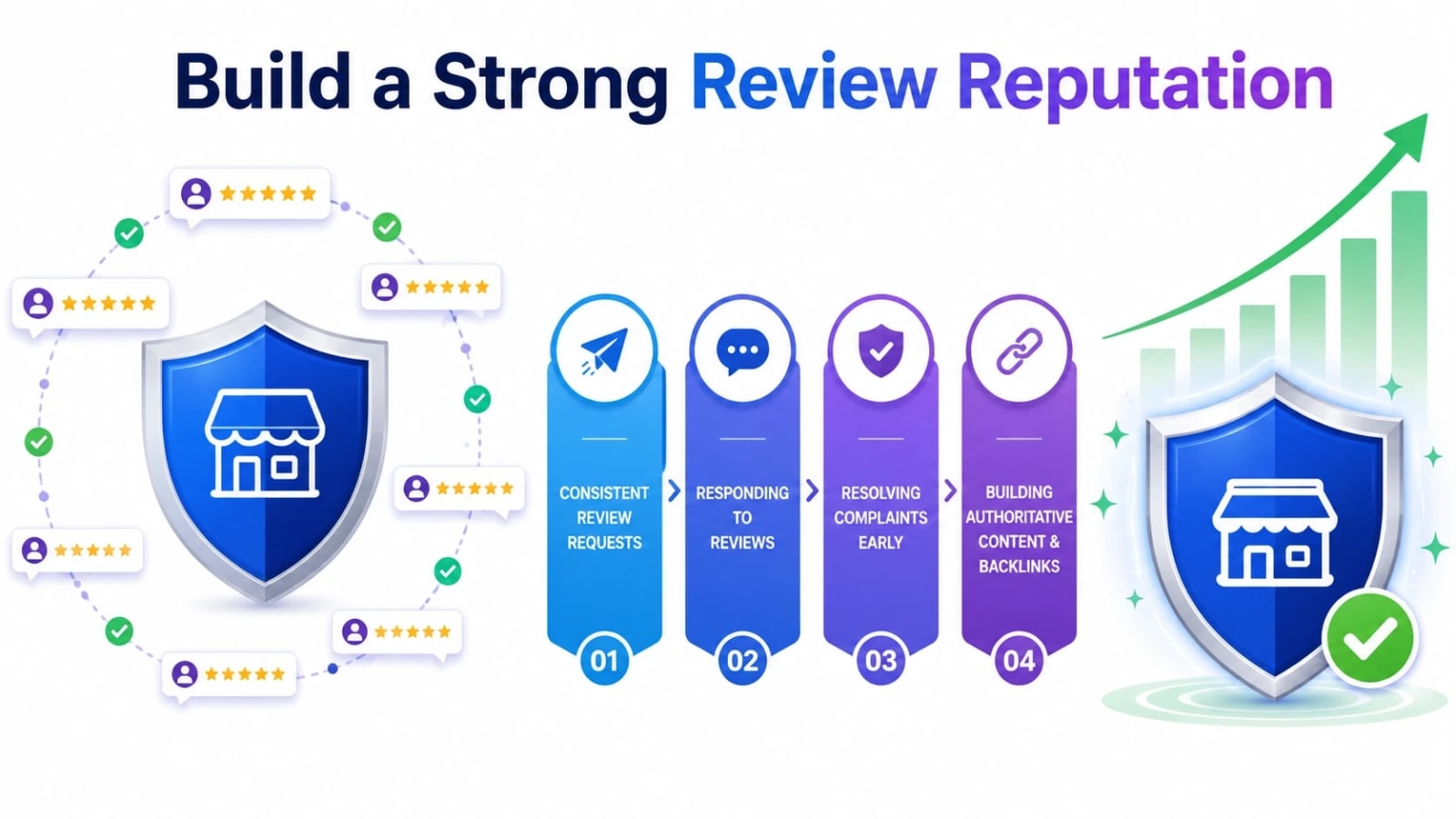
Building a Long-Term Review Strategy That Protects Your Brand
The businesses that weather negative reviews best are not the ones that respond the fastest to individual incidents. They are the ones that have built enough positive review volume and brand authority that a single bad review carries very little weight.
Ask for reviews consistently: Make review requests part of every post-purchase or post-service workflow. Email, SMS, and in-person prompts all work. The more reviews you collect, the more diluted any single negative one becomes.
Make it easy: Send customers a direct link to your Google review page. Removing friction increases the number of people who actually follow through.
Respond to every review: Positive and negative alike. Google’s algorithm takes engagement signals into account, and responding shows both customers and Google that your listing is actively managed.
Resolve complaints privately when possible: If a customer reaches out with an issue, solve it before they turn to Google. A resolved complaint rarely becomes a public review.
Invest in owned content and backlinks: Blog posts, press coverage, case studies, and authoritative backlinks pointing to your site give Google more positive signals about your brand, which pushes your own properties higher in results.
Track your average star rating over time: Set a target, such as maintaining a 4.2 or above, and monitor it monthly. If it dips, investigate why rather than simply flagging reviews.
A long-term strategy treats your Google reputation as an asset to be built, not just a problem to be managed. The businesses that do this well find that negative reviews become less damaging over time simply because there is so much positive content surrounding them.
Removing a negative Google review is rarely straightforward. Google will only delete reviews that violate its policies, and even legitimate flagging requests are not guaranteed to succeed. However, you have more options than most business owners realise. From flagging policy violations and pursuing legal routes to building fresh positive reviews and pushing harmful results down through SEO and link building, a multi-track approach gives you the best chance of protecting what your customers see when they search for your business.
The single most important shift is moving from a reactive mindset to a proactive one. Start collecting reviews consistently, respond to every piece of feedback publicly, monitor your reputation on a schedule, and invest in the content and backlinks that strengthen your brand’s authority in search results. If the problem has already reached a point where it is affecting your bottom line, bring in the right professionals, whether legal, SEO, or reputation specialists, before the situation gets harder to reverse. Your Google reputation is one of your most visible business assets, and it deserves a deliberate, ongoing strategy.
Frequently Asked Questions
Can I pay Google to remove a negative review?
No. Google does not accept payment to remove reviews under any circumstances. Any service claiming to remove reviews by paying Google directly is a scam. Legitimate removal happens only through policy violation flagging, legal requests, or the reviewer choosing to delete their own review.
What happens if I flag a review and Google does not remove it?
If Google denies your flagging request, you can escalate by contacting Google Business Profile support directly, submit a legal removal request if the content qualifies, or focus on reputation repair strategies such as generating new positive reviews and publishing optimised content to push the negative result down.
Can a deleted Google account remove that person’s reviews?
Yes. If a reviewer deletes their Google account, their reviews are typically removed from Google as well. However, you have no control over whether or when someone chooses to delete their account, so this should never be relied on as a removal strategy.
Do negative Google reviews directly hurt my search rankings?
Review signals, including star ratings and review volume, are a known local SEO ranking factor. A pattern of low ratings can reduce your visibility in the Google Local Pack. However, a single negative review among many positive ones typically has a minimal effect on overall rankings.
How many positive reviews do I need to offset one negative review?
Research suggests it takes roughly 40 positive customer experiences to undo the damage of one negative one. In terms of star ratings, most consumers trust businesses with an average between 4.2 and 4.5 stars, so maintaining review volume is key to keeping your average in that range.
Tags:#5 Best Free Link Building Tools to Help You Build Backlinks#google review removal#negative reviews#online reputation management
Shahid Shahmiri is a digital marketer who helps online businesses grow with smart marketing tactics that improve sales and leads. He is passionate and driven to grow businesses online and is responsible for analyzing marketing, SEO, growth and managing promotional and media channels.